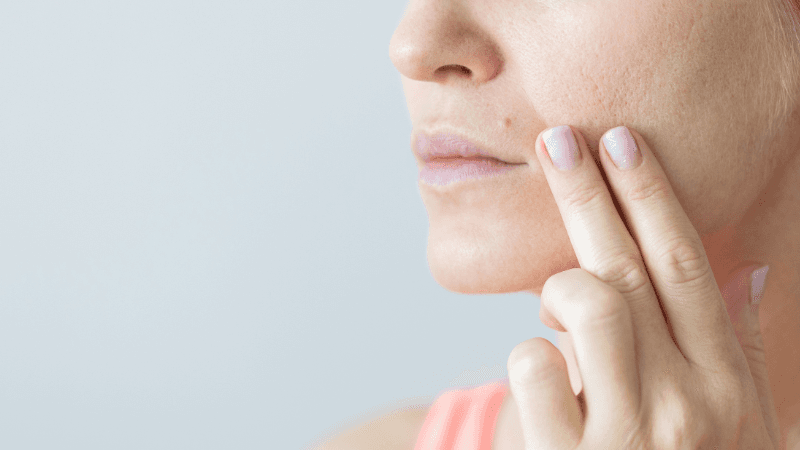
How to shrink pores on your face and make them less noticeable
In the morning, your skin looks fine, but when you're near a window or after applying foundation, every little spot on your nose and cheeks suddenly becomes visible. Sound familiar?
If you're looking for ways to shrink pores on your face , let's start with an important point: you can't and shouldn't completely "close" them. Pores are a natural part of your skin. However, you can make them visually less noticeable if you understand why they're prominent. And if home care isn't helping, you can explore beauty treatment options in Cherkasy at https://alvibeauty.com/ruua/salons/cherkasy/cosmetology .
Why do pores on the face become more visible?
A pore is an opening in a hair follicle through which sebum is released to the surface. Its size largely depends on skin characteristics and genetics. However, anatomical size is one thing, and how noticeable the pore is quite another.
If there's too much sebum, it mixes with dead skin cells. The follicle opening becomes clogged, blackheads appear, and the skin's surface appears less even. This is why oily and combination skin often appears "porous."
There's another scenario. With age, skin gradually loses elasticity, and UV radiation accelerates these changes. The tissue around the pore becomes less dense, making its contour more visible.
That's why there's no single answer to the question of why pores on the face are enlarged . For one woman, the main cause is sebum and blackheads, for another, it's irritated, dry skin, and for a third, it's changes in density and texture.
Is it possible to shrink pores on the face permanently?
The short answer is no. And that's okay.
If you're asking whether it's possible to shrink pores on your face so that they'll "close" and never reappear, makeup won't do that. The follicles remain part of the skin.
But you can influence what makes pores especially noticeable: excess sebum, clogging, uneven texture, dehydration, and loss of elasticity.
That's why it's more accurate to say not "remove pores," but rather "reduce their visibility."
This is an important distinction. It saves you from endlessly buying products that promise "perfectly smooth, pore-free skin."
How to understand why your pores are visible
Before buying another serum, look at your skin in normal daylight. It's not just the pore itself that matters, but everything that happens around it.
Oily shine, blackheads and clogged pores
If, just a few hours after washing, you notice shine, blackheads on your nose and chin, and your pores appear darker, you should pay attention to sebum and cleansing.
In this situation, it is more useful to work with the blockage than to try to “pull” the skin.
Salicylic acid is a BHA and works well in the oily environment of the hair follicle. It helps remove excess sebum and dead skin cells. Niacinamide can complement this regimen, especially if oily shine is also a concern.
Dryness and irritation, but pores are still visible
Sometimes my skin is shiny in the T-zone, but after washing it feels tight, and flaking appears near the nose. The urge to cleanse my face even more often is usually a hindrance.
Harsh gels, alcohol-based lotions, frequent scrubs, and multiple acids can disrupt the skin's protective barrier. The skin's texture becomes more uneven, making pores even more visible.
In this case, it’s best to first restore your skin’s comfort: gentle cleansing, moisturizing cream, and a temporarily simpler routine.
Pores have become more visible with age
If there are few blackheads and the oiliness is not pronounced, but the pores on the cheeks have gradually become more visible, the cause may be a change in the elasticity of the skin.
There's no point in endlessly "cleansing" your face. Regular sun protection, sensible skincare, and skin-renewing actives are more important.
How to shrink pores on your face with home care
A search for "what to do about enlarged pores on the face" often leads to dozens of jars and conflicting advice. In reality, the basic procedure is much simpler.
- Cleanse your skin gently morning and evening, and remove makeup and SPF completely before bed. If you're prone to blackheads, you can gradually add salicylic acid. Even oily skin needs moisturizing, and SPF helps protect against sun damage.
- Introduce one new active ingredient at a time. Niacinamide is suitable for oily skin, AHAs help with surface texture, and retinoids can be used for skin renewal. But if you mix everything at once, irritation will only make the skin texture worse.
Don't judge a product after just two uses. Consistency is more important in pore care than constantly switching masks and serums.
What mistakes make enlarged pores even more noticeable?
Pores are especially easy targets for aggressive care: you want to steam your face, squeeze out all the contents, and wipe your skin with something “stronger.”
But this does not make the follicle smaller.
The following habits are more likely to interfere:
- washing until you feel a “squeak”, alcohol-based lotions, hard brushes and frequent scrubs;
- self-squeezing of blackheads, hot steam baths and attempts to “close” pores with ice;
- using several acids, retinoids and other active ingredients at once without skin adaptation.
I also don't recommend applying lemon juice, baking soda, or random homemade mixtures from the refrigerator to your face. Their popularity in older beauty articles doesn't make such treatments safer or more effective.
What to do if home care is not enough
If your skin is well-cared for, your cleansing routine is well-chosen, and your active ingredients are used carefully, but your pores are still bothering you, the next step is to avoid buying five more products.
The specialist first assesses what is causing the problem: sebum and comedones, uneven texture, post-acne, decreased elasticity, or a combination of several factors.
After this, professional care or procedures are discussed.
We intentionally don't list laser, hardware, and injection methods as a one-size-fits-all "pore-removal list." Each has its own indications, limitations, and goals. What's suitable for skin with post-acne and pronounced texture isn't necessarily needed by someone with an oily T-zone and blackheads.
Frequently Asked Questions
Is it possible to completely remove pores on the face?
No. Pores are a natural part of the skin. You can reduce their visual visibility, but you can't physically remove them.
What really helps with enlarged pores?
It depends on the cause. For oily and clogged skin, gentle cleansing and appropriate active ingredients, such as salicylic acid, are helpful. For irritated skin, it's more important to first restore comfort and the protective barrier.
Why are pores especially noticeable on the nose?
The nose has many sebaceous glands, so sebum accumulates there more often, causing sebaceous filaments or blackheads to form. This makes the skin texture appear more pronounced.
Can ice shrink pores?
Cold may temporarily alter the skin's appearance, but it doesn't reduce the anatomical size of the follicle. Constantly rubbing ice on your face to "close pores" makes no sense.
Does niacinamide help reduce pores?
Niacinamide can be useful for oily and combination skin and helps control shine. It doesn't physically clog pores.
Which acid is suitable for visible pores?
Salicylic acid is often used for oiliness, blackheads, and clogged skin. AHAs work more on the surface texture. The choice and frequency depend on the skin's condition and other active ingredients in your skincare regimen.
When should you see a cosmetologist?
If you've established a home routine, but your pores remain very visible, blackheads, inflammation, or uneven skin texture appear regularly, a consultation will help you understand the cause and choose the right care option.