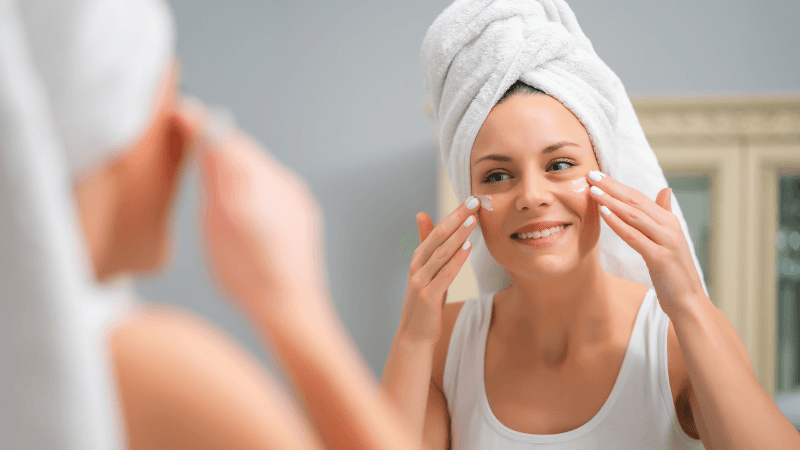
Skin care for problematic skin before an appointment with a cosmetologist
Problem skin requires especially careful and regular care. Inflammation, enlarged pores, and increased oiliness can occur for a variety of reasons, from hormonal changes to poorly chosen cosmetics. Therefore, problem skin care should be gentle and systematic. In an attempt to quickly fix the situation, we often resort to actions that only worsen the problem, turning temporary breakouts into a chronic condition.
When skin conditions begin to worsen, many people seek out a specialist. Salon directories and service aggregators are often used for this purpose. For example, in the Kyiv cosmetology section on the AlviBeauty platform, you can browse specialists, procedures, and customer reviews. This helps you find a specialist who specializes in your specific problem, whether it's acne, post-acne, or hypersensitivity. But before you visit a cosmetologist, it's important to establish a proper home routine.
What is considered problem skin?
Problematic skin is skin that regularly reacts with inflammation and breakouts. This condition can be accompanied by increased sebum production and a disruption of the skin's protective barrier. It's important to understand that this isn't always a skin type (oily or combination); it's often a condition caused by external or internal factors.
Most often, problematic facial skin manifests itself with the following signs:
- regular inflammation and rashes;
- blackheads and comedones;
- oily shine in the T-zone;
- enlarged pores;
- redness and irritation of the skin.
If such symptoms occur regularly, it's important to choose the right skin care regimen for problem skin and, if necessary, consult a cosmetologist. Self-medication with over-the-counter lotions or alcohol-based lotions often leads to "burns" and even more sebum production.
Signs of problematic facial skin
Before choosing skincare products, it's important to understand the symptoms that indicate skin problems. Don't confuse a single breakout before the holidays with a systemic problem. Key signs include inflammation, increased oiliness, uneven skin texture, and the appearance of post-acne scars. Sometimes, skin becomes sensitive and reacts to common skincare products with burning or redness.
If you notice such changes, it's worth carefully reviewing your daily skincare routine and avoiding aggressive at-home treatments. Our goal is to soothe the epidermis, not "burn out" the problem at any cost.
The main causes of inflammation and acne
Acne is rarely caused by a single factor. Typically, several factors work in tandem to influence the skin's condition. The most common include:
- hormonal changes;
- stress and lack of sleep;
- improper skin care;
- nutrition and lifestyle;
- use of inappropriate cosmetics.
If inflammation occurs regularly, it's important not only to choose the right acne skincare routine but also, if necessary, to consult a specialist for a comprehensive diagnosis. A cosmetologist can help differentiate a cosmetic issue from medical conditions requiring the attention of a dermatologist or endocrinologist.
Basic care for problem skin
Proper care for problem skin consists of several basic steps that must be followed strictly.
- Gently cleanse your skin. For this, it's best to use gentle gels or foams that don't disturb the skin's protective barrier. Forget about squeaky-cleaning—that's a sign you've stripped away the lipid layer.
- Hydration. Even oily skin needs hydration, otherwise it starts producing even more sebum as a defense mechanism. Choose non-comedogenic, lightweight textures.
- Use of active ingredients. Niacinamide, zinc, salicylic acid, and azelaic acid are often used in acne skin care. These ingredients help reduce inflammation and regulate sebum production.
You can read more about how to properly prepare your skin for professional treatments in the article "How to Prepare for a Visit to a Cosmetologist ."
What you shouldn't do before visiting a cosmetologist
Before consulting a specialist, it is important to avoid actions that may worsen the skin condition or distort the clinical picture.
- do not squeeze out inflammation (this can lead to the spread of infection);
- do not use aggressive peels (the skin should be calm);
- do not test new active ingredients (you will not understand what exactly caused the reaction);
- Do not dry out your skin with alcohol-based toners.
If your skin is irritated or damaged by your actions, it will be more difficult for the specialist to accurately assess its underlying condition and prescribe an appropriate treatment plan. You can learn more in the article How to Prepare for a Visit to a Cosmetologist .
Common mistakes in problem skin care
Sometimes, skin condition worsens due to improper skin care. Overly aggressive cleansing, frequent peels, and over-drying can disrupt the skin's protective barrier. As a result, the skin begins to produce more sebum, which triggers further breakouts—a vicious cycle. We recommend reading our article on Cosmetology and Sensitive Skin .
Another common mistake is squeezing pimples. This can lead to the appearance of post-acne scars and increased inflammation. You can read more about this in the article " Facial Skincare Mistakes ." Remember: keeping your hands off your face is the golden rule for healthy skin.
When home care is not enough
Sometimes problematic skin can't be resolved with home care. In such cases, it's worth consulting a cosmetologist. Consulting a specialist is recommended if:
- inflammations appear regularly and do not respond to home treatment;
- post-acne marks and uneven texture remain;
- the skin reacts painfully to any cosmetics;
- Inflammation spreads to new areas of the face.
A cosmetologist can determine the cause of your acne and select appropriate treatments or professional care. On the AlviBeauty platform, you'll always find expert support to help restore your skin's health.
Frequently Asked Questions
Do oily skin need to be moisturized?
Yes. A lack of moisture can increase sebum production as the body tries to protect the dehydrated surface.
Can you use scrubs for acne?
During active inflammation, it is better to avoid scrubs with large particles, as they spread bacteria throughout the face.
How often should you cleanse problem skin?
Gentle cleansing morning and evening is usually sufficient. Washing too frequently strips away the protective mantle.
Does SPF help with problem skin?
Yes, sunscreen helps prevent pigmentation and post-acne marks, which often darken with sun exposure.
Related articles: