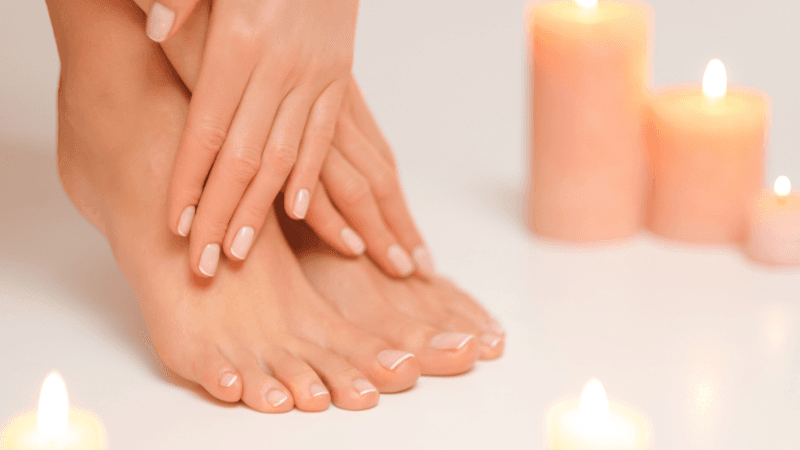
Classic pedicure: how the procedure works and what the client should pay attention to
If you want well-groomed feet without surprises or unnecessary risks, a classic pedicure remains one of the most straightforward and popular treatment options on the website. It's chosen for its predictable results, gentle treatment, and the feeling of "cleanliness" immediately after the procedure. However, this is where disappointment most often occurs—when expectations don't match the actual pedicure procedure performed in the salon.
Learn more about classic pedicures and available salons in Kyiv athttps://alvibeauty.com/ru-ua/salons/kyiv/nailServices/pedicure?page=1
What is a classic pedicure and how does it differ from other types?
The classic technique involves manual manipulation of the skin and nails using specialized tools. The primary focus is on carefully treating the feet, removing rough skin, shaping the nails, and creating a clean cuticle contour. Therefore, the question of how a classic pedicure differs from other options often arises when comparing it to other options.
For reference:
- hardware pedicure is performed with cutters and is more suitable for pronounced calluses;
- Hygienic pedicure – gentle supportive care without deep treatment;
- Medical pedicure is used for foot problems and requires special training of the specialist.
The choice depends on the skin condition, sensitivity and purpose of the visit.
How does a classic pedicure procedure work: the main stages
In a salon, it's not a quick file, but a sequential process where every step affects the outcome. A classic pedicure procedure is always built around safety and comfort, and this is exactly how the steps of a classic pedicure look.
Preparing the feet and softening the skin
The specialist assesses the condition of the feet, performs hygienic treatment, and softens the skin. Special products or a foot bath are used, depending on the technique. The goal of this step is to prepare the feet for further work without unnecessary pressure or injury.
Cuticle and nail treatment
Next, the nails are shaped and trimmed, and the cuticles are carefully worked. Experience is especially important here: improper technique often leads to microcuts and discomfort. A professional pedicurist always takes into account the client's skin sensitivity.
Final care and result
The final stage involves smoothing, removing rough skin if necessary, and applying care products. The desired result is smooth heels, well-groomed feet, and pain-free comfort. If you're applying a polish, be sure to consider how long a gel polish pedicure actually lasts —this will affect the interval between appointments.
What tools and materials are used in a classic pedicure?
High-quality work is impossible without adhering to standards. Scissors, nippers, pushers, files and graters, antiseptics, and disposable consumables are used. Sterile instruments, instrument disinfection, and adherence to sanitary standards are critical—this is what determines the safety of the pedicure procedure.
Who is a classic pedicure suitable for, and in what cases is it not recommended?
This format suits most clients as a foot pedicure and regular foot care. It's also suitable for men and women who value a neat appearance without the use of equipment. However, keep in mind: the frequency of visits and the stress on your feet vary greatly depending on the season—read our separate article to learn why foot care differs dramatically in summer and winter .
But you should be careful when:
- increased skin sensitivity;
- tendency to inflammation;
- painful cracks;
- doubts about the sterility of the salon.
In these cases, it's best to discuss the format with the specialist in advance. The approach also changes with age— pedicures after 50 and the specifics of foot care are discussed in a separate article.
Common mistakes in a classic pedicure and why the result can be disappointing
Most often, the negativity is not related to the technique, but to the mistakes made during a classic pedicure. Among them:
- overly aggressive treatment (pain appears after the pedicure);
- improper work with the cuticle (cuts after pedicure);
- violation of sterility, which may cause inflammation after the procedure;
- haste and lack of an individual approach, when the result looks like a poor-quality pedicure.
If you feel like you've had a bad pedicure, it's important not to make things worse with home experiments and to let your skin recover.
What should a client pay attention to when choosing a pedicure specialist at AlviBeauty?
When choosing a pedicurist , consider experience, safety standards, and real reviews. The AlviBeauty platform makes it easy to find a high-quality pedicure and professional salon pedicure tailored to your specific needs—whether it's regular grooming or sensitive skin.
If you're looking for a pedicure in Ukraine or Kyiv, don't rely solely on price and speed. A pedicure at a beauty salon should be safe and have predictable results.
Frequently asked questions about the classic pedicure procedure
- Is a classic pedicure painful?
Normally, no. Severe pain indicates improper technique. - How long does the result last?
The neat appearance lasts for several weeks with normal care. - Is the procedure suitable for men?
Yes, the format is universal and can be selected to suit the specific skin characteristics. - What to do if you have a negative experience?
If pain, redness or cuts occur, treat with an antiseptic and if the condition worsens, consult a specialist.
We have selected material that is often read immediately after this analysis. - Hardware pedicure: what's the difference and who is it suitable for?
- How to choose a pedicure that suits your foot condition and lifestyle
- How often should you get a pedicure and what does it depend on?
- Men's pedicure: features of the procedure and foot care .