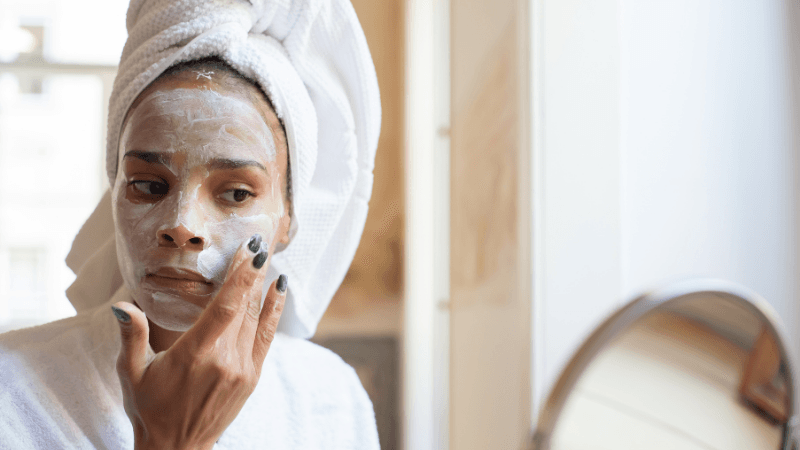
Cosmetology and sensitive skin: expert advice
Sensitive facial skin is one of the most common aesthetic concerns facing modern women and men. It can react with redness, burning, tightness, or dryness, even to familiar cosmetics. Sometimes this reaction is temporary—for example, after aggressive skincare, intense peels, or severe stress. However, for many people, increased sensitivity becomes a permanent skin condition, requiring a more delicate approach in their daily routine.
If your skin frequently reacts to external factors, it's important to choose the right skincare regimen and, if necessary, consult a specialist. When choosing treatments, many people rely on salon and specialist catalogs. For example, in the "Cosmetology in Kyiv" section on the AlviBeauty platform, you can browse available treatments, compare specialists, and choose the right one based on reviews and experience. It's also helpful to learn how to prepare for your visit to a cosmetologist beforehand to ensure your skin tolerates the procedure better and recovers faster.
What is sensitive skin?
Sensitive skin is a condition in which it reacts more quickly to external and internal factors. The primary cause of such reactions is most often a compromised skin barrier. When the lipid layer is weakened, the skin becomes more susceptible to environmental influences, cosmetics, and temperature changes.
Sensitivity can occur in any skin type. Even oily skin can sometimes become reactive if its protective barrier is compromised by improper cleansing or weather conditions. This is why modern cosmetology views sensitivity not as a separate skin type, but as a condition requiring special care. Sometimes, increased sensitivity can worsen after cosmetic procedures. Therefore, it's important to understand how to choose a cosmetologist to ensure procedures are performed safely and with consideration for your skin's specific needs.
The main causes of skin sensitivity
Increased skin reactivity rarely occurs without a cause. It is usually caused by several factors simultaneously. Skin condition can be influenced by the external environment, lifestyle, and individual characteristics. Experts identify the following main causes of sensitive skin:
- genetic predisposition;
- stress and emotional tension;
- aggressive cosmetics;
- climatic factors (wind, cold, sun);
- hormonal changes;
- violation of the lipid barrier of the skin.
Sometimes hypersensitivity worsens after cosmetic procedures or the extensive use of products containing acids and retinoids without proper recovery. In such cases, the skin requires a long recovery period.
Signs of sensitive skin
You can tell your skin has become more reactive by its characteristic symptoms. These can appear intermittently or persist for a long time. In most cases, skin reactions occur after contact with cosmetics or adverse environmental factors.
The most common symptoms are:
- Redness of the skin and irritation when changing temperature or water.
- A burning or itching sensation after applying a regular cream.
- Dryness and flaking that does not go away after moisturizing.
- A reaction to cosmetics that manifests itself in the form of a small rash.
- Increased sensitivity to the sun even with a low UV index.
Such symptoms can appear both in certain areas of the face (cheeks, wings of the nose) and on the entire surface of the skin.
Types of sensitive skin
In cosmetology, several types of sensitivity are distinguished. Understanding these characteristics helps a specialist select the right care:
Atopic sensitivity
Atopic sensitivity is associated with immune system issues. This type of skin is characterized by itching and periodic inflammation.
Vascular sensitivity
Vascular sensitivity (rosacea) is manifested by persistent redness and a reaction to hot food or cold.
- Inflammatory sensitivity occurs when the protective barrier is damaged, causing the skin to react to even the softest water.
- Age-related sensitivity occurs due to thinning of the dermis and decreased lipid levels with age.
How to care for sensitive skin
Sensitive skin care should be as gentle and delicate as possible. The primary goal is to restore the skin's protective barrier and reduce reactivity. A basic skin care regimen typically includes:
- gentle cleansing without aggressive surfactants;
- use of soothing tonics without alcohol;
- regular skin moisturizing with lipid-containing products;
- Sun protection using SPF with physical filters.
For sensitive skin, products with ingredients such as panthenol, aloe vera, ceramides, hyaluronic acid and niacinamide are especially suitable.
What cosmetic procedures are suitable?
Cosmetic procedures can significantly improve the condition of sensitive skin if chosen correctly. Modern cosmetology utilizes gentle treatment protocols aimed at restoring the skin barrier and providing intensive hydration. These include soothing masks, hydrating serums, and gentle hardware techniques.
These treatments help reduce redness and boost skin's protective functions. After some treatments, the skin requires recovery, so it's also helpful to know the most common skincare mistakes and how to avoid them to prevent further reactivity.
When should you see a cosmetologist?
A specialist can help determine the underlying cause of increased reactivity and develop a personalized care regimen. Consult a specialist if skin sensitivity increases, inflammation occurs, or home care isn't producing noticeable results. A comprehensive approach can quickly restore a healthy, comfortable appearance to your face.
Frequently Asked Questions
Why does skin become sensitive?
Most often, sensitivity occurs due to damage to the skin's protective barrier and exposure to external factors.
Is it possible to do peeling if you have sensitive skin?
Sometimes gentle peels (enzyme or based on certain acids) are possible, but only after consultation with a specialist.
Which ingredients are suitable for sensitive skin?
The most commonly used are ceramides, panthenol, hyaluronic acid and niacinamide.
Can oily skin be sensitive?
Yes, hypersensitivity can occur in any skin type when the hydrolipidic mantle is disrupted.
Can acids be used?
Sometimes it is possible, but only in low concentrations and in forms intended for reactive skin.
Related articles:
- Post-procedure skin care mistakes
- Hardware Facial Treatments: Myths and Reality
- Injection techniques: when they are appropriate
- Skin care after 30
- Cosmetology and sensitive skin.