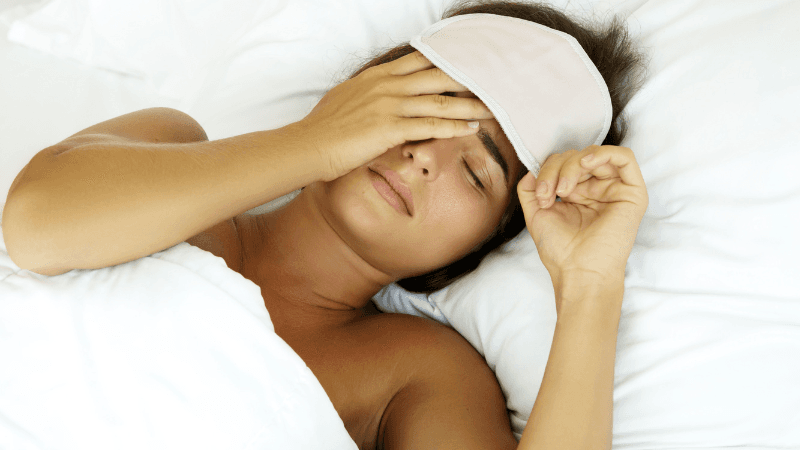
Why does my face look tired even after sleep?
The night was normal; the alarm didn't ring every two hours, but the mirror still reveals heavy eyelids, dull skin, and a face that looks groggy. If you're trying to figure out why your face looks tired, don't blame sleep alone. Skin condition, puffiness, skincare, stress, and soft tissue changes all affect your appearance. If you'd like to discuss your skin condition with a specialist, you can explore cosmetology services in Cherkasy at https://alvibeauty.com/ruru/salons/cherkasy/cosmetology .
Tired Face: What Signs Create a Tired Look?
We perceive the face as a whole. Sometimes, a little puffiness of the eyelids and a dull complexion are enough to make it seem like you barely slept.
Most often, a tired appearance consists of several details:
- swelling and less defined oval in the morning;
- dull or uneven tone, dryness and fine mesh from dehydration;
- wrinkles after sleep, more pronounced nasolacrimal groove, drooping corners of the lips or a feeling of a “heavy” face.
Therefore, the question "What causes a tired face?" rarely has a single answer. Two women may look equally sleep-deprived, even though one's main problem is morning puffiness, while the other's skin remains dehydrated and dull all day.
Why does my face look tired even after a good night's sleep?
Eight hours of sleep does not cancel out everything that happens to the skin and body during the day.
When the protective barrier is compromised, skin is less able to retain water. It can appear drier, rougher, and less radiant. Dehydration isn't limited to dry skin: a feeling of tightness is sometimes combined with an oily sheen.
Another scenario is puffiness. Soft tissues may appear more swollen in the morning, especially around the eyes. The severity is influenced by individual characteristics, sleeping position, and evening habits.
Stress also affects our faces. We frown more often, clench our jaws, sleep less well, and are less aware of changes in our home care routine. By evening, tense facial expressions and decreased energy can make our features appear heavier.
Age-related changes also play a role. The term "tired aging type" is used for a face that appears fresher in the morning, but by evening, wrinkles, shadows, and loss of tone become more pronounced. However, one shouldn't define one's morphotype based solely on one characteristic.
How to understand the reason for a tired appearance by when it appears
Why does my face look tired after sleep?
If your face looks tired after sleep —specifically, in the first few hours after waking up—check to see if the situation improves by lunchtime. Quickly subsiding puffiness, pillowcase marks, and heavy eyelids are more consistent with a morning routine than with ongoing skin changes.
The tired look lasts all day
When your face remains dull morning, afternoon, and evening, sleep alone is no longer sufficient. Moisturizing, the protective barrier, aggressive cleansing, and excessive use of acids or other active ingredients should be assessed.
By evening, the face looks noticeably tired.
If you like your reflection in the morning, but in the evening, nasolabial folds, the nasal groove, and a loss of definition are more noticeable, the cause may be soft tissue issues, facial tension, and age-related changes. In this case, it's more beneficial to discuss your skin condition with a specialist than to randomly purchase another mask.
What habits and skincare mistakes make your face look tired?
Sometimes new cosmetics don't solve the problem because your skin's routine itself interferes. Squeaky-cleansing, using multiple active products at once, insufficient moisturizing, and inconsistent SPF can make dryness, irritation, and uneven texture more noticeable.
That said, there's no need to turn your skincare routine into ten stages. More jars doesn't necessarily mean better results. A clear foundation and gradual addition of active ingredients tailored to a specific goal are often more beneficial.
How to remove a tired-looking face at home
If the changes have recently appeared and there's no noticeable, persistent puffiness, it's more logical to start with simple steps. A search for how to eliminate a tired-looking face doesn't require buying half a cosmetics store.
- In the morning, do not rub or stretch the skin; if swelling occurs, you can try a cool compress and very gentle movements without strong pressure;
- maintain gentle cleansing, appropriate moisturizing and SPF, and gradually introduce new acids, retinoids and other active ingredients;
- For a few days, observe when your face looks worse: immediately after sleep, constantly, or until the evening.
The last observation is often more useful than another “express mask”.
What to do if your face constantly looks tired
If what to do if your face looks tired is no longer a morning question but a constant problem, the next step is to understand what exactly is causing this effect. A cosmetologist can assess your skin's condition, hydration level, tone, and the severity of age-related changes. After that, they can discuss skincare routines or procedures, rather than choosing them based on popularity on social media.
There are hardware, laser, and injection methods, but presenting them as a one-size-fits-all solution is misleading. Each condition, whether it's swelling, dehydration, or decreased tone, has different goals, so the approach varies.
When a tired-looking face may not be a cosmetic problem
If swelling appears suddenly, becomes severe, persists for a long time, or is accompanied by other changes in your health, it's best to consult a doctor rather than a cosmetic procedure. Cosmetic treatments are not intended to identify the causes of systemic swelling.
The same applies to situations where the skin's condition changes abruptly without a clear reason. It's more important to understand what's going on than to quickly conceal it with makeup or active skincare.
Frequently Asked Questions
How can I stop looking tired if I sleep well?
Don't just look at how long you sleep. Notice when you start to look tired, whether you have puffiness, dryness, or irritation, and whether your face changes throughout the day.
Can dehydrated skin make your face look tired?
Dehydration can make fine lines and texture more visible, making the skin's surface less smooth and radiant. Oily skin can also be dehydrated.
Why does my face look worse in the morning?
After sleep, some people experience more noticeable swelling and creases from the pressure of the pillow. If these gradually subside, this is different from a persistent tired appearance.
Does a tired face mean a tired type of aging?
No. A dull tone or puffiness alone is not enough to determine a morphotype. A tired appearance may be temporary.
Will facial massage help?
Gentle movements can temporarily reduce morning swelling in some people. Strong pressure and aggressive self-massage are not necessary.
When should you see a cosmetologist?
If basic skincare is in place and sleep is good, but dullness, dryness, puffiness, or loss of tone persists, a consultation can help determine which approach is appropriate.