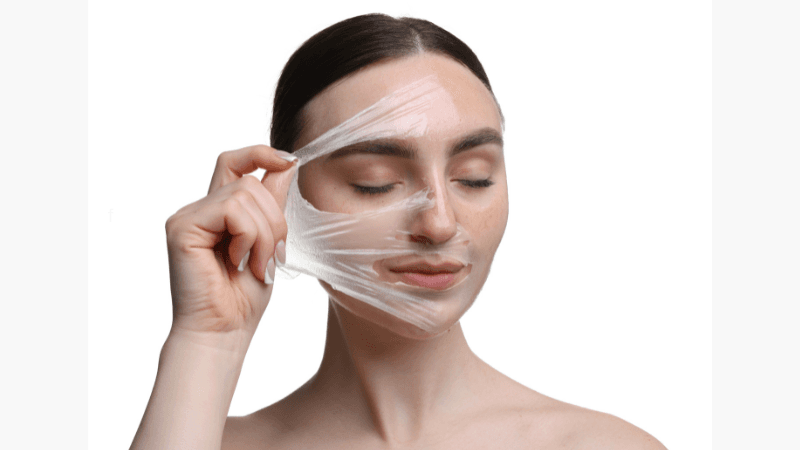
Why does my facial skin peel even with skincare and what can I do about it?
My skin feels tight after washing, and small flakes appear on my cheeks and around my nose, and my foundation accentuates each flake. If you're wondering why your facial skin is peeling , even though your cream is sitting on the shelf and working every day, it's most often due to a damaged protective barrier that's no longer retaining water. Below, we'll explore peeling facial skin: its causes, your likely scenario, and a plan of action. And if you'd like to see a specialist, you can browse available cosmetologists and compare their services at https://alvibeauty.com/ru-ua/salons/cherkasy/cosmetology on AlviBeauty.
Why is facial skin dry and flaky: What's happening to the protective barrier?
The top layer of skin is called the stratum corneum. Think of it like a brick wall: the cells are the bricks, and the lipids between them are the mortar. This mortar is the lipid barrier. Inside the bricks is the natural moisturizing factor, the substances that hold water in the skin.
When the solution is washed away, water escapes through the skin faster. Doctors call this transepidermal water loss. Cells dry out, shed unevenly, and become visible. This is what the signs of peeling skin on the face look like: flakes, roughness, and tightness after washing. Therefore, in short, the answer to why facial skin is dry and flaky is almost always the same: a breakdown of the skin's protective barrier.
Dry or dehydrated skin: how to tell the difference
These terms are often confused, although they require slightly different care. Dry skin is most often a skin type: the sebaceous glands produce little sebum, pores are barely visible, and dryness is present year-round. Dehydrated skin is a condition. It lacks water, and it affects any skin type, even oily skin with shine in the T-zone.
A simple guide: if your face is shiny by lunchtime, but your cheeks are tight and flaky, your skin is likely dehydrated. Dryness and roughness, regardless of season, are consistent with dry skin. Understanding the difference between dry and dehydrated skin is also helpful for prognosis: dehydration usually goes away when the underlying cause is removed.
Dry facial skin: reasons why it starts to peel
Dry facial skin: the causes of flaking are often external and easy to overlook. Flaking skin is a common occurrence in winter. It's cold and windy outside, and the air inside is dry during the heating season. The skin loses water all day and doesn't have time to replenish it.
Another common cause is washing with hot water. While this feels good in winter, hot water dissolves lipids faster than warm water. Some people also find chlorinated water irritating: after a swim, their face feels tighter than usual.
There are also things we have less control over. As we age, our sebum production decreases. Hormonal changes and certain medications can affect the skin. If dryness occurs along with other changes in your health, discuss it with your doctor.
Why does skin peel even with regular care?
The worst-case scenario: you're trying your best, but your skin is peeling. If you're unsure why your facial skin has become dry when it was fine before, take a look at your skincare regimen. Often, your skincare routine itself can hinder your skin's ability to recover.
The prime suspect is aggressive cleansing. A gel that leaves your face feeling squeaky clean removes some of the lipids along with your makeup. Creams patch up the wall, and in the morning, you blur it all over again. This is why your skin feels dry even after moisturizing.
The second is excessive exfoliation. Acid peels every other day, retinoids every night, enzyme powder "for smoothness," and then a scrub. Individually, each product can be good. Together, they remove the stratum corneum faster than it renews itself. Peeling after acids and peeling after retinol are especially common in the first few weeks if you start with a high frequency right away.
The third is a new product. If flakes appear a few days after using a new serum or cream, the reaction could be caused by the fragrance or another ingredient. And then the trap kicks in: you'll want to scrub off the flakes with another scrub, and the cycle continues.
How to understand the cause: when it started, where it peels, and what else bothers you
A specialist will determine the exact cause, but home observation will greatly narrow the search. Consider what has changed over the past two or three weeks and compare the following scenarios:
- Peeling started after trying a new product or active ingredients. Most likely, your skin is overloaded or reacting to an ingredient.
- It got worse with the cold weather and the heating. It looks like seasonal dryness: the skin lacks moisture and protection.
- Severe tightness after washing, and an hour later, your cheeks are peeling. The first solution is cleanser and hot water.
- Flaking skin around the nose and eyebrows, with yellowish or greasy flakes and redness nearby. This could be a sign of seborrheic dermatitis, which is a reason to see a dermatologist.
- Redness and peeling of the skin on the face with itching or burning after using a specific product. Contact dermatitis is possible, and this should also be addressed by a doctor.
If none of the scenarios work, that's also a hint: most likely, a single change of care won't be enough.
What to do if your face is peeling
If your facial skin is peeling, what to do in the first few days depends on the cause, but the starting plan is almost the same for everyone. The goal is to give your skin some rest and restore its moisture. Here's how to treat peeling skin at home if there are no signs to see a doctor:
- Put acids, retinoids, scrubs and enzymes on hold until your skin has calmed down.
- Wash your face with warm water and a gentle cleanser that doesn't leave you feeling irritated. In the morning, just water is often enough.
- Apply the cream to slightly damp skin. Look for ingredients such as ceramides, glycerin, and panthenol, which help restore the skin's protective barrier.
- Use an SPF sunscreen during the day. If it stings, choose a formula for sensitive skin.
- During the heating season, turn on a humidifier, especially in the bedroom.
If your facial skin is very dry and flaky, the plan is the same, just use a thicker cream. This is the most reliable answer to the question of how to get rid of flaky facial skin : remove what's damaging the barrier and help it restore itself. With this care, rough facial skin usually becomes softer within a few weeks.
What not to do if your skin is peeling
Don't pick at the scales or try to remove them with a scrub or brush, as this can easily cause microcracks and redness. Don't change your serums every couple of days, otherwise you won't know what's working. It's best to avoid saunas and steam baths during the recovery period.
How to restore acids and retinol to prevent peeling
There's no need to give up active ingredients forever. It's best to reintroduce them when your skin is calm: no tightness, flaking, or burning sensation for at least a week or two.
Start with one product, two evenings a week. If your skin feels calm after two weeks, add another evening. Introduce the second active ingredient once your skin has become accustomed to the first, and not on the same evening. Many people find it helpful to apply the retinoid after the cream, as it's more gentle on the skin.
If your doctor prescribed a retinoid or acid, don't stop taking it yourself. Tell your doctor about the peeling. They'll be able to advise you on how to adjust your regimen.
When do you need a cosmetologist and when do you need a dermatologist?
A cosmetologist can be helpful if you're confused about your skincare routine. They can examine your skin, help you revise your at-home regimen, and advise you on whether treatments are necessary. On AlviBeauty, you can find cosmetologists in Cherkasy and compare their offerings.
When to see a dermatologist: peeling persists for more than 3-4 weeks despite careful skin care; the spots are growing, intensely itchy, oozing, crusting, or cracking; or peeling recurrs in the same areas. A dermatologist will be able to differentiate irritation from dermatitis and other conditions and prescribe treatment if necessary. Swelling of the lips or eyelids and difficulty breathing are reasons to seek immediate emergency care.
Frequently Asked Questions
What does the body lack if the skin on the face peels?
Sometimes a vitamin or fatty acid deficiency is the cause, but this isn't the most common cause. Taking vitamins "just in case" isn't a good idea: some vitamins are harmful in excess. If you suspect a deficiency, your doctor will recommend tests.
Is it possible to quickly get rid of peeling skin on the face?
The barrier won't be restored overnight. But flakes will noticeably diminish within a few days if you remove active ingredients, wash your face gently, and apply a thick cream to damp skin.
Will drinking more water help if my skin is dry and flaky?
Drinking too little can be harmful to your skin. However, drinking extra glasses of water won't restore the damaged barrier: lipids and natural moisturizing factors (NMFs) retain water in the skin, and these are supported by skincare.
Can I wear makeup if my face is peeling?
Yes, you can. Choose creamy textures, apply them over your moisturizer, and temporarily remove the mattifying powder. In the evening, remove your makeup with a gentle, non-scrubbing cleanser.
Do you need sunscreen if your skin is peeling?
Essential: UV rays increase irritation and slow down recovery. If your regular SPF stings, choose a formula for sensitive skin.
How long does it take for skin to recover?
A guideline is several weeks of gentle care. If there's no improvement within 3-4 weeks, consult a specialist.
What does xerosis look like on the face and how does it differ from normal dryness?
Xerosis is the medical term for dry skin. It appears as roughness, fine flakes, and tightness, sometimes with cracks. If the dryness is severe, persistent, or accompanied by itching, consult a dermatologist.