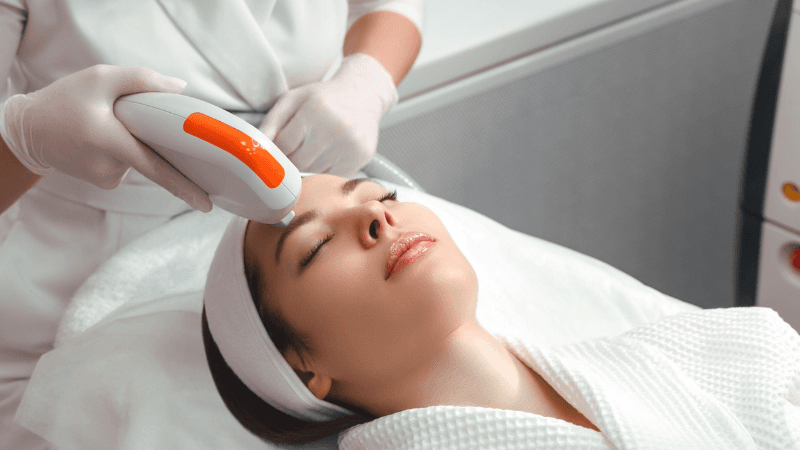
Hardware Facial Treatments: Myths and Reality
Modern aesthetic medicine offers a variety of ways to improve skin condition without surgery. Facial hardware treatments have become especially popular, helping maintain skin tone, correct age-related changes, and improve appearance. In a world where technology permeates every aspect of life, beauty is no exception: today, "smart" machines are capable of what once seemed possible only under a surgeon's knife.
However, many myths still surround hardware cosmetology. Some consider these procedures a universal solution to all skin problems, while others doubt their effectiveness. In practice, things are much more complex and interesting. The result depends not only on the power of the equipment but also on the qualifications of the specialist who adjusts the parameters to your individual needs.
When searching for a specialist for such procedures, people often use cosmetologist and salon directories. For example, on the "cosmetology in Kyiv" page, you can browse specialists and cosmetology offices in Kyiv, compare services, and choose the right one for a consultation. Choosing the right specialist is half the battle.
What is hardware cosmetology?
Hardware cosmetology is a branch of aesthetic medicine that utilizes specialized devices to manipulate the skin. Unlike simply applying masks or massaging with your hands, these devices can penetrate deeper layers of the dermis, initiating processes at the cellular level.
These technologies work due to:
- ultrasound;
- microcurrents;
- radio frequency energy;
- laser radiation.
The main goal of these treatments is to stimulate the skin's natural regeneration processes. Machine-based techniques enhance microcirculation, activate collagen synthesis, and accelerate cell renewal. This results in firmer, more elastic skin, and smoother fine lines.
Popular hardware facial procedures
Today, cosmetologists use a variety of hardware technologies. Each addresses specific needs, from pigmentation removal to deep tissue tightening.
The most famous procedures are:
- RF-lifting (radio wave exposure);
- microcurrent therapy (working with muscles and lymphatic drainage);
- laser rejuvenation (resurfacing and texture renewal);
- Ultrasonic SMAS-lifting (deep lifting at the ligament level).
For example, RF lifting targets the deep layers of the skin and stimulates collagen production, creating a lifting effect from within. Microcurrents help improve microcirculation and facial muscle tone, reducing puffiness. This is why hardware-based facial rejuvenation is often used as part of a comprehensive beauty routine at any age.
Myths about hardware procedures
Despite the prevalence of these technologies, there are many misconceptions surrounding them that prevent customers from making the right choice.
Myth 1. Hardware procedures do not produce results.
This is one of the most common misconceptions. In fact, hardware-based techniques work gradually. Their purpose is to stimulate the skin's natural processes. Therefore, the effect develops over time, as collagen synthesis increases and the skin's structure improves. This isn't "masking," but actual tissue restructuring.
Myth 2: The procedures are dangerous
Modern cosmetology devices undergo clinical trials and are used in medical practice. When protocols are followed, procedures are considered safe. The most important thing is the absence of contraindications, which a specialist must identify during a consultation.
Myth 3: One procedure solves all problems
Cosmetologists note that the effectiveness of hardware procedures depends on many factors:
- skin conditions;
- age;
- regularity of care;
- individual characteristics of the organism.
Therefore, a course of procedures aimed at a cumulative result is most often used.
Who is suitable for hardware procedures?
Hardware techniques can be used for various aesthetic purposes:
- the first signs of age (expression wrinkles);
- decreased skin tone and a sagging oval;
- uneven skin texture or enlarged pores;
- dull complexion.
However, it's important to understand that a hardware facelift is not a substitute for plastic surgery in advanced cases. It aims to improve the skin's condition and stimulate natural rejuvenation processes, allowing you to postpone a visit to the surgeon for many years.
How to choose a procedure
Before choosing a specific method, the cosmetologist evaluates your skin condition, age, and any contraindications. A specialist consultation is mandatory. If you're planning your first procedure, it's helpful to learn how to prepare for your visit with a cosmetologist .
It's also worth remembering that the results largely depend on post-treatment care. You can read more about this in the article. Post-procedure skin care mistakes . If you're just getting started with this area, it's worth exploring the topic in more detail—for example, in the article Hardware facial procedures: myths and reality.
Frequently Asked Questions
What are hardware facial procedures?
Hardware facial treatments are cosmetic procedures that involve the use of specialized devices on the skin. Depending on the technology, ultrasound, laser, microcurrent, or radiofrequency energy are used. These procedures help improve skin tone and maintain a youthful appearance without the use of a scalpel.
What hardware facial procedures are considered the most popular?
In modern cosmetology, the most popular are RF lifting, microcurrent therapy, laser rejuvenation and ultrasonic SMAS lifting .
Is it painful to undergo hardware facial procedures?
Most procedures are comfortable. You may feel a slight warmth, tingling, or vibration. In most cases, anesthesia is not required.
When do results appear after hardware procedures?
Improvement in complexion is noticeable immediately, but the main effect appears gradually (after 3-4 weeks), since collagen renewal takes time.
At what age can hardware procedures be performed?
Usually they start after 25–30 years for prevention, but everything depends on the condition of the tissues.
How often should hardware procedures be performed?
Frequency depends on the technique. Some methods are performed as a course (every 10-14 days), while others are performed once or twice a year to maintain the effect.
Are hardware procedures safe for the skin?
Yes, if protocols are followed and treatment is performed by qualified professionals, they are completely safe and effective.
Related articles:
- Post-procedure skin care mistakes
- Injection techniques: when they are appropriate
- How to prepare for a visit to a cosmetologist
- Cosmetology and sensitive skin: expert advice