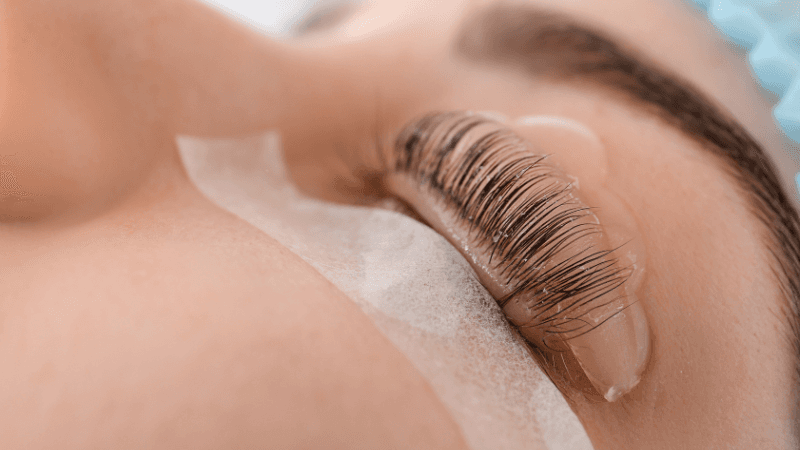
How is eyelash lamination different from a bio-curl?
The modern beauty industry offers a variety of ways to open up and enhance your eyes while maintaining a natural look. If you're choosing between popular eye treatments, you've probably wondered: eyelash lamination or bio-curling —which option will deliver the desired results and be healthier? At first glance, it might seem that eyelash lamination and bio-curling are the same thing, as both procedures are aimed at creating a beautiful curl. However, this is a profound misconception.
To understand the difference between eyelash lamination and bio-curling , it's important to delve into the process itself. One procedure merely changes the shape, while the other works comprehensively. You can see what modern lamination looks like and what options leading specialists offer at https://alvibeauty.com/ru-ua/salons/kyiv/eyelashes/lamination . There you'll find the best specialists who will help you realize your ideas. But before you book an appointment, let's go into more detail.
How does eyelash lamination work?
Lamination is a premium treatment that combines aesthetics and deep care. The main goal here is not just to lift the hairs, but to nourish them with beneficial microelements. When a client asks which is better, lamination or a perm , experts often point to the ingredients.
The process uses keratin, which fills the voids in the structure. Additionally, a special keratin compound is applied, creating a protective film. Eyelash lamination results in thicker and shinier lashes. This is achieved by the product acting on the cuticle, sealing it and preventing moisture loss. The procedure also often includes tinting, which enhances the color and makes lashes appear longer. If you value nourishing your lashes, this method is preferable.
What is the fundamental difference between the procedures?
Looking at the bigger picture, the main difference between lamination and perm lies in the final effect on the hair. Perm focuses solely on changing the hair's geometry, while lamination focuses on quality.
What happens to the hair structure?
Any treatment changes the structure of the eyelash. Lamination uses gentle formulations that maintain the health of the hair. It's important to increase the hair's density, not decrease it. Nourishment and strengthening are the foundation of the technique. The result is visual volume and a well-groomed appearance.
Meanwhile, when it comes to eyelash perms, the goal is to break down old disulfide bonds and create new ones, locking in the curl. However, the eyelashes don't receive additional nourishment, which can lead to dryness over time. Therefore, restoring the structure after perms is quicker and easier.
How does eyelash bio-curling work?
A bio-curl is a more affordable and simple way to achieve a natural curl. It's ideal for those whose natural lashes are fairly dark and thick, but grow downward or straight. The procedure itself involves the use of special rollers and fixing compounds. Many lash technicians note that the bio-curl effect looks very natural, but it doesn't change the thickness of the lashes.
Many people are interested in the differences between a perm and lamination in terms of chemicals. The chemicals used in a perm are more active, as they are designed to firmly hold the hair's shape. This is why additional post-perm care, such as the use of oils, is often required.
Why does pigment lighten?
A side effect often observed after exposure to fixatives is that the hair pigment may become half a shade lighter. This occurs because the chemical composition slightly opens the hair scales, washing out the natural color. Therefore, coloring with mascara or professional dye is almost always recommended after a perm.
Main differences: Lamination vs. Biowave
To help you understand how to choose a procedure, here are the main differences:
- The purpose of the procedure
Lamination: creating curl, adding color, volume and care to eyelashes.
Biowave: only creating a curl. - Compound
Lamination: contains keratin and vitamins for strengthening.
Biowave: gentle chemical fixatives are used. - Durability
Lamination: the effect lasts 6–8 weeks.
Biowave: the effect lasts 4–6 weeks. - Effect on thickness
Lamination: hair thickens by 10-15%.
Biowave: hair thickness does not change. - Cumulative effect
Lamination: present when procedures are carried out regularly.
Biowave: none.
When faced with the dilemma of choosing between a perm or eyelash lamination , always consider the condition of your lashes. If they need a boost, choose the former.
Who is lamination suitable for?
This method is a lifesaver for those with thin or short eyelashes. Through tinting and thickening, they become more noticeable. This is often called the "eye makeup effect." Active women adore lamination, as the long-lasting results mean you can forget about looking in the mirror. If you're looking for the best treatment for thin eyelashes, the answer is clear: keratin treatments.
Who is better off choosing a biowave?
If you have naturally thick, straight, black eyelashes, you don't need to thicken them or apply tint. In this case, a perm will give you that coveted "Bambi look" without the extra expense. It's a great way to save money if your only concern is a lack of curl.
When procedures should not be done
Despite the safety, there are certain contraindications:
- Allergic reaction to components (always do a test!).
- Sensitive eyes or recent eye surgery.
- Eye diseases (conjunctivitis, etc.).
- Hormonal surges (the results may simply not be consolidated).
If your eyelashes are severely damaged, you should first restore them after the procedure and only then apply a new curl.
Is it possible to alternate and is there a cumulative effect?
Yes, can you alternate treatments? Of course, but experts recommend sticking to one course. Lami has a powerful cumulative lamination effect: with each session, your lashes become healthier. Bio-curling doesn't have this property. Proper post-lamination care will prolong the joy of the treatment.
Eyelash lamination or bio-curling: how to decide
The final choice is always a balance between budget and desired results. Now you know the difference between eyelash lamination and bio-curling, and you can make an informed decision. Lamination is an investment in your health, while bio-curling is a quick visual enhancement.
Frequently Asked Questions
What lasts longer?
Typically, lamination maintains its appearance for up to 8 weeks, while bio-curling begins to lose its shape after 4-5 weeks.
Is it possible to do a bio-perm on weakened eyelashes?
Experts advise against this. It's better to apply nourishing lami products to thinning and weakened eyelashes.
Is eyelash bio-curling harmful?
With the right technique, no. But if you do it too often without breaks, it can cause breakage.
Is eyelash lamination harmful?
On the contrary, it is considered a therapeutic procedure if the frequency of procedures is not violated.
How to choose a procedure?
Assess the density and color. Light and fine hair requires a perm, while dark and coarse hair can be treated with a bio-curl.
What's best for thin eyelashes?
Only lamination, as it provides real thickening of the hair.
Related articles: