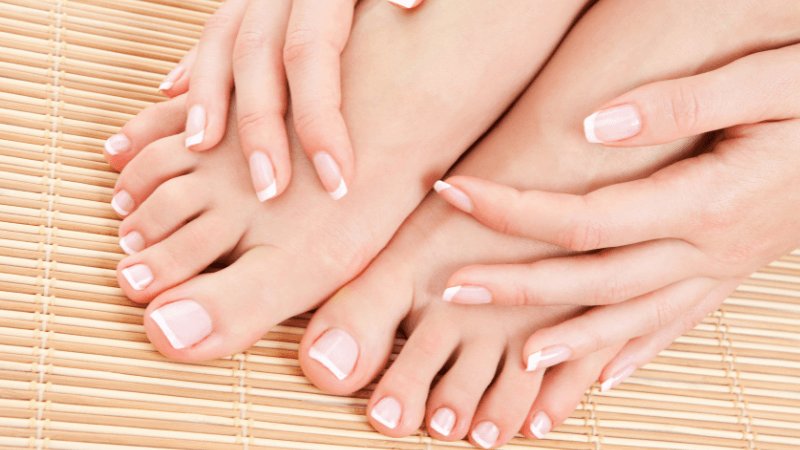
How to prepare for a manicure or pedicure before your appointment
Preparing for a manicure or pedicure isn't a formality; it's part of the final result. Many people come to the salon without considering the small details that can affect the durability of the finish, comfort during the procedure, and even the condition of the nail plate. In reality, proper preparation takes minimal time but helps the technician work carefully, and you achieve a more predictable result.
If you're planning a nail service in Kyiv, it's convenient to choose a suitable salon and service format in advance using aggregators, where you can see procedure durations and technician availability—for example, https://alvibeauty.com/ru-ua/salons/kyiv/nailServices . This helps avoid rushing and misunderstandings before your visit.
Why is proper preparation for a manicure and pedicure important?
Nails and the surrounding skin are sensitive to any intervention. When a client actively files their nails at home, trims their cuticles, or attempts to remove gel polish themselves, the technician is faced with a changed nail structure. This affects the adhesion of the base coat, the durability of the coating, and the overall appearance.
Preparing for a manicure before your visit isn't about having "perfect feet."
Preparing for a manicure before your appointment isn't about "perfect nails," but about ensuring they look natural. It's important for the technician to see the actual shape of the nail, the density of the cuticle, and the condition of the skin. Then, they can choose the appropriate technique—hardware, combination, or classic—and avoid damaging the nail with unnecessary movements.
If you're planning on getting extensions, preparing for them is different: are nail extensions painful, harmful, or just scary the first time?
A common mistake is removing the coating yourself. If the gel polish is peeled off or removed aggressively, the top layer of the nail becomes thinner. This may not be noticeable visually, but in practice, the coating wears less well, and chips and peels off. Therefore, if you're unsure of the removal technique, it's best to leave it to a professional.
How to prepare for a manicure
There's no need for extensive "home correction" before the procedure. Basic hygiene and a relaxed approach are sufficient. On the day of your appointment, avoid using greasy cuticle creams and oils, as they create a film that makes it difficult to remove oil from the nail plate. Extensive filing is also not recommended: the technician will select the length and balance based on your individual hand needs.
If there are any injuries, cracks, or increased sensitivity, it's best to mention them in advance. This will allow for appropriate technique adjustments and reduce the risk of discomfort.
Preparing for a pedicure: important nuances
A pedicure requires a little more attention, especially if your feet are dry or calloused. Avoid steaming your feet a few hours before your appointment—excessively soft skin makes gentle treatment difficult. A regular shower is sufficient.
Also, avoid trimming calluses or using a blade. Such attempts can cause microtrauma and inflammation. If you have an ingrown toenail or significant pain, it's best to notify your technician when making your appointment. When dealing with an ingrown toenail, it's important to choose between a technician and a podiatrist: if the toenail is ingrown and painful, should you see a technician or a podiatrist?
What you shouldn't do before a manicure or pedicure
Before visiting the salon, you should avoid the following actions:
- aggressively remove the old coating
- trim your cuticles yourself
- use metal objects under your nails
- apply thick creams immediately before the procedure
- do a deep home pedicure the day before your appointment
These actions most often cause poor wear of the coating and increased sensitivity. These actions most often cause poor wear of the coating. Detailed analysis: the coating peeled off after three days – we figure out who's to blame .
Do I need to come with “perfect nails”?
No. The technician works with the natural state of the nails. Preparation involves avoiding unnecessary interventions rather than proactive steps. The calmer the nail plate is before the procedure, the easier it is to achieve a smooth and long-lasting result.
If you book in advance and choose the appropriate service format, this is also part of your preparation. It's important to understand the duration of the procedure and the condition of your nails so that your visit goes smoothly.
When is it best to reschedule a visit?
Sometimes it's wiser to reschedule your appointment. This applies to situations where there's severe inflammation, open wounds, or a suspected infection. In such cases, health is the priority, not aesthetics.
Result
Preparing for a manicure or pedicure requires respect for yourself and the professional. There's no need to try to "fix everything beforehand." Simply avoid interfering with the natural condition of your nails and follow these simple guidelines.
A relaxed visit, proper scheduling, and honest communication with the specialist will ensure high-quality results without unnecessary risk. Don't rely solely on grandiose promises or low prices.
And between visits, the results are extended with proper home care: nail care at home really does make your manicure last longer .
Comparing specialists through directories and platforms like AlviBeauty allows you to better evaluate offers and make an informed choice. The most important thing is that you feel confident during the procedure and are satisfied with the results two weeks later.
Read also:
- Nail care at home: what really makes your manicure last longer
- The coating peeled off after three days – we figure out who's to blame.
- Nail extensions – are they painful, harmful, or just scary the first time?
- My nail is ingrown and painful – should I see a specialist or go straight to a podiatrist?
- How to choose a manicurist in Kyiv – what to really pay attention to .