How to prepare for a visit to a cosmetologist
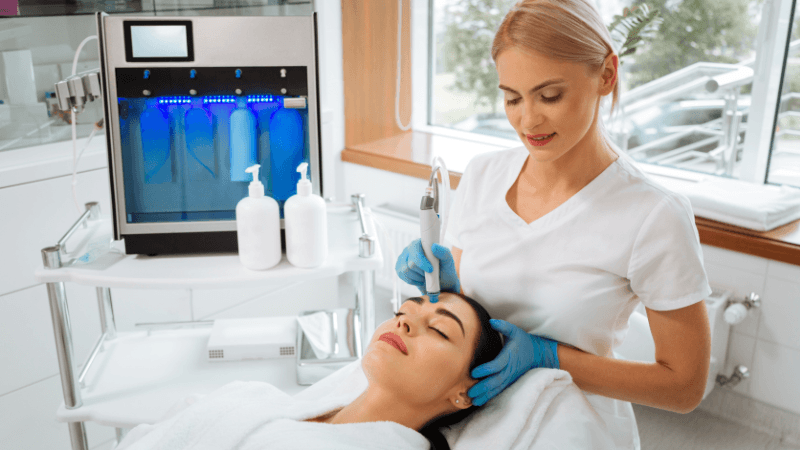
Many people put off visiting a cosmetologist until they have significant skin concerns. However, preparing for a visit to a cosmetologist helps make the consultation more effective and safe. When skin is properly prepared, the specialist can more easily assess its condition and select the optimal treatments. It's important to understand that a visit to the clinic isn't just a relaxation session, but a comprehensive approach to improving the health of your largest organ.
When searching for a specialist, people often use salon directories and service aggregators. For example, on the website https://alvibeauty.com/ru-ua/salons/kyiv/cosmetology , you can browse specialists and compare cosmetology procedures offered by different salons.
The AlviBeauty platform helps you understand the available treatment methods, cosmetology services and specialists, and which procedures are suitable for different skin types. Setting the right mindset and following basic recommendations before your session will ensure you get the most out of your time and money.
Why is it important to prepare for a visit to a cosmetologist?
Proper preparation for a visit to a cosmetologist helps avoid skin irritation and maximize the effectiveness of treatments. During the consultation, the specialist will assess your skin's condition and determine the most appropriate skin care methods. If you arrive with an irritated face after an at-home treatment, it will be difficult for the esthetician to distinguish between your natural skin condition and the consequences of improper skin care.
The cosmetologist pays attention to several important factors:
- skin type and hydration level;
- presence of inflammation or irritation;
- skin reaction to cosmetics.
This data allows the specialist to create a personalized care plan and select procedures that are safe and effective. Mistakes during the preparation phase can lead to prolonged recovery after the session and less pronounced results.
For a deeper understanding of this topic, we recommend reading the article "Mistakes in Facial Skin Care ," which details the common causes of skin deterioration and how to avoid them.
What is the first visit to a cosmetologist like?
For many clients, their first visit to a cosmetologist is fraught with questions and doubts. This is perfectly normal, as you're entrusting your face to the specialist. The appointment typically begins with a consultation, during which the specialist examines your skin and asks questions about your skincare routine. A professional consultation with a cosmetologist is a dialogue in which your honesty is essential.
Proper skin preparation directly impacts the results of treatments and the safety of the procedure. Read the article " Problem Skin Care Before an Appointment with a Cosmetologist ," where specialists explain in detail how to prepare for your appointment and what to pay attention to.
Skin diagnostics
The cosmetologist examines the skin of the face, neck, and sometimes the décolleté. In some cases, diagnostic equipment is used to determine the skin's hydration level, sensitivity, and the presence of hidden problems (such as deep pigmentation).
During the consultation, the specialist may also ask:
- What care products are used at home;
- Are there any allergic reactions to cosmetics?
- Have any cosmetic procedures been performed before?
This information helps the specialist select the optimal care and avoid unwanted skin reactions.
If you want to understand how skin changes with age and what nuances to consider, we recommend reading our blog article , Skin Care After 30 , which provides a detailed breakdown of skin care features and expert recommendations.
If you're interested in injectable cosmetology and want to figure out where to start, we recommend reading the article " Beauty Injections: Where to Start, " which covers the initial procedures, indications, and important considerations.
How to prepare your skin before your appointment
Before your consultation, it's recommended to follow a few simple rules. This preparation helps the cosmetologist more accurately determine your skin type and needs. The key principle here is "do no harm" and don't alter the skin's natural state.
It is better to follow the following recommendations in advance:
- Arrive to your appointment with clean skin and no makeup. This will allow the technician to begin the examination immediately.
- Stop using harsh skincare products for a few days. Avoid using over-the-counter acne ointments or alcohol-based lotions.
- Avoid peels, scrubs, and active acids. Keep your skin in its calm, natural state.
If you're taking medications or have previously experienced allergic reactions to cosmetics, be sure to inform your specialist. This will help ensure safe cosmetic procedures are selected.
What you shouldn't do before visiting a cosmetologist
Before the procedure, avoid factors that could increase skin sensitivity or affect the results of the treatment. Remember that any aggressive external influences make the tissue more vulnerable to the products the technician will apply.
For example, sunbathing, tanning beds, or using active cosmetics containing retinol are not recommended before treatments. These actions can irritate the skin and reduce the effectiveness of the treatments. It's also important to remember that a consultation with a cosmetologist helps determine your skin's condition and select the right skin care regimen, so it's best not to experiment with new masks or serums before your appointment. Any unexpected reaction may contraindicate the scheduled cleansing or peeling.
Common mistakes before visiting a cosmetologist
Sometimes people make mistakes that reduce the effectiveness of a consultation and can complicate the specialist's work. The most common ones include:
- use of aggressive care products before the visit;
- concealing information about allergies or illnesses;
- expectation of immediate results after the first procedure.
It's important to understand that many methods often require a comprehensive approach and time. Achieving noticeable results may require a course of treatments and a well-structured home care routine. Trusting your professional begins with your willingness to follow their advice.
To better understand the possibilities of modern cosmetology, it's worth reading our blog, "Hardware Facial Treatments: Myths and Reality ," which explores popular misconceptions and the real-world effects of these treatments.
Advice from a cosmetologist before your first procedure
Before your appointment, it's helpful to prepare questions and explain your skincare routine. This will help the cosmetologist quickly understand your skin's specifics and suggest appropriate treatments. Make a list of the products you use—this will save time.
You'll find more practical recommendations and care nuances in the article "Cosmetology and Sensitive Skin: Expert Advice ," which details the specifics of care and approaches to working with sensitive skin.
It is also helpful to explore additional resources to help you navigate the world of aesthetic medicine.
Related articles
- Skin care mistakes
- Hardware Facial Treatments: Myths and Reality
- Beauty injections: where to start
- Skin care after 30
- Cosmetology and sensitive skin
- How to choose a cosmetologist
- How to choose a cosmetologist: what to look for before the procedure
- Skin care for problematic skin before an appointment with a cosmetologist
Frequently Asked Questions
Should I come to the cosmetologist without makeup?
It is advisable to come to your appointment with clean skin so that the specialist can more accurately assess its condition and avoid wasting time on deep makeup removal.
Is it possible to do procedures if there is inflammation?
Some procedures may be postponed if the skin is actively inflamed. However, cleansing or therapeutic treatments are often prescribed in such cases.
Do I need to take tests before cosmetic procedures?
Most procedures do not require testing, but it depends on the chosen method (for example, injections or acne treatments may require testing).
Is it possible to sunbathe before visiting a cosmetologist?
Intensive tanning is not recommended, as the skin becomes more sensitive and the risk of pigmentation after the procedure increases.
At what age can you go to a cosmetologist?
The first visit is possible as early as adolescence if problems arise or the selection of the correct care is required.