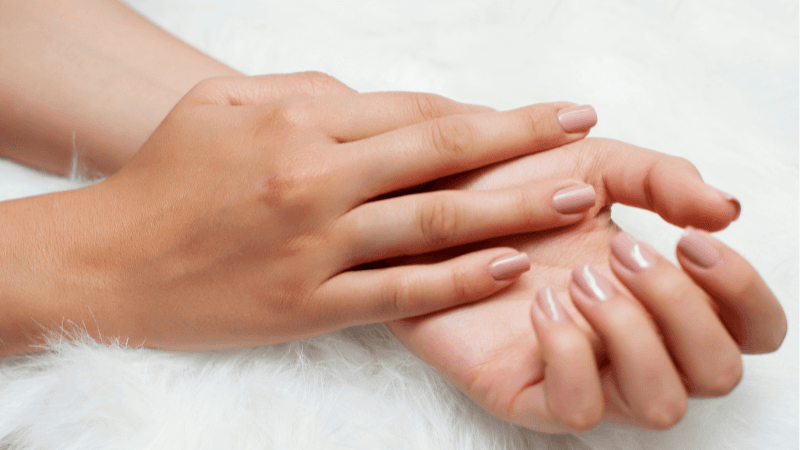
Hardware or combination manicure: what's the difference and how to choose the right one
You go to the nail technician and hear: "A combination cuticle is better for you." Or, conversely, "Your cuticles are dry, so we'll do a hardware cuticle." It sounds like professional jargon. In reality, the difference is concrete and important. Let's break it down without further ado.
The difference between hardware manicure and combination manicure is not a question of equipment.
The difference lies in how the cuticle is removed. This determines the durability of the coating, its appearance, and the feeling after the procedure.
If you don't know your cuticle type, don't guess—tell your nail technician . A good specialist will look at your hands and suggest the best option. You can book an appointment at https://alvibeauty.com/ru-ua/salons/kyiv/nailServices
First, let's figure out what happens to the cuticle.
Manicure types differ not in the equipment used, but in the way the cuticle is processed with a cutter. Beneath the cuticle is the pterygium, a thin film that adheres to the nail plate. Removing the pterygium is a mandatory step before any nail polish application. The only question is which tool to use.
Everything depends on this choice: how clean the nail area looks, how long the gel polish lasts, and whether hangnails will appear after three days.
How does hardware manicure work?
Hardware manicure involves using only a milling cutter, a device with various attachments. This manicure is performed on dry skin without soaking . The cuticle is pushed back with an orange stick, the pterygium is removed with a milling cutter, and the side folds of the nails are buffed.
The risk of cuts is minimal. But there's a catch. The cutter doesn't completely remove the cuticle if it's thin and elastic. The machine simply can't cut through such cuticles, and small hangnails appear within two or three days.
How does a combination manicure work?
The beginning is the same - the router. Lateral ridges, pterygium, raise the cuticle. But in the end, the master takes scissors or nippers and cuts it off by hand. Also without soaking.
This allows you to remove even thin, loose cuticles that the machine can't handle. Before any type of manicure, there are important preparation steps—read about them in the article "How to Prepare for a Manicure Before Your Visit ."
The main difference is not the device, but the way of working with the cuticle
Both types are done on dry skin without soaking. Both use a milling cutter. That's where the similarities end.
With hardware manicures, the technician uses only a cutter from start to finish. This technique is well suited for hard and dry cuticles. The cuticle type determines everything from the choice of tool to the longevity of the result. The finish lasts 2-3 weeks.
With a combination manicure, the cutter is complemented by scissors at the end. This allows for working with any type of cuticle, including thin and elastic ones. The finish lasts longer—3–4 weeks.
The fundamental difference is one: manicure on dry skin is what unites both techniques, but the finishing tool is different for each.
Who is suitable for hardware and who is suitable for combined
Choose hardware if:
- the cuticle is hard, rough, and easy to cut with a cutter
- No tendency to sweat - hardware manicure is not suitable for hyperhidrosis, as wet skin tears under the cutter
- You're getting your manicure for the first time and you're afraid of cutting tools.
- You need to prepare your nails for extensions—a manicure before extensions is always done without soaking, otherwise the gel will not stick.
Choose a combination if:
- Combination manicure for thin cuticles - this technique removes them completely
- After the hardware procedure, hangnails appeared after 2-3 days - this means the cuticle is growing quickly and the cutter can't handle it
- If you want your gel polish manicure to last longer, a combination gel polish will give you a cleaner finish.
- You need the area at the base of the nail to be as clean as possible.
A combination manicure with gel polish is the perfect choice if you want your polish to last 3-4 weeks without chipping.
Once you've decided on a technique, the next question everyone has is how often you should visit a nail technician. This is covered in detail in the article "How Often Can You Get a Manicure: Expert Recommendations?"
Once you've decided on a technique, the next question everyone has is how often you should visit a nail technician. This is covered in detail in the article "How Often Can You Get a Manicure: Expert Recommendations ."
What influences the durability of the result?
How long a hardware manicure or combination manicure lasts depends on three factors. Technique is important, but it doesn't determine everything.
Quality nail preparation. If the technician doesn't completely remove the pterygium, the gel polish will peel off sooner. This is the main cause of chipping in the first week.
Care between appointments. Cuticle oil daily prolongs results by 3-5 days . This isn't a decorative treatment—it's a practical tool.
Contact with water and chemicals. Washing dishes, cleaning, and washing without gloves are the main enemies of a gel polish manicure's longevity. For more information on home care, read the article "Nail Care at Home Between Visits to the Nail Technician."
What kind of manicure looks expensive: a professional's opinion
A clean cuticle area looks expensive. What kind of manicure looks expensive? When there's no cuticle, no pterygium, no hangnails at the base of the nail, the manicure looks expensive with any polish. Even clear.
That's why a combination manicure often produces that "expensive" result. Scissors remove the cuticle more cleanly than a milling cutter. The nail area is completely exposed. The polish lies flush against the skin.
Some clients are left with a thin cuticle edge after a hardware manicure. It's not always immediately noticeable, but it becomes visible after a week.
If you think it's also a coating issue, read the article "Gel polish vs. regular polish: which is better for nail health." If you think it's also a coating issue, read the article "Why manicures and pedicures don't last: causes and solutions ."
Frequently asked questions about hardware or combination manicures
Hardware or combination manicure: which is better? How to tell?
Consider your cuticle type. Hard and dry—hardened. Thin and elastic—combination. If you're unsure, tell your technician before the procedure.
Is it possible to do hardware manicure if you have hyperhidrosis?
No. Wet skin tears under the cutter, causing cuts and hangnails. A safe cuticle manicure for sweaty hands is only possible with a combination of a final trim with scissors.
What to choose if you have sensitive skin?
The type of manicure you choose for sensitive skin depends on the type of sensitivity. If you're sensitive to cuts, a hardware manicure is safer. If your skin is thin and your cuticles are flexible, a combination manicure will give you the best results without causing injury.
What to choose before nail extensions?
What should you choose before nail extensions: a hardware-only manicure or a combination? Soaking your nails is not recommended—the gel won't stick. A classic manicure with a tray is out of the question.
What is best for the first visit to the specialist?
Say it's your first time. The technician will examine your cuticles and suggest a technique. For help choosing a good specialist, read the article "How to Choose a Manicurist: What to Look for ."
Related articles: