Bixi haircut: how it differs from a pixie and who it suits
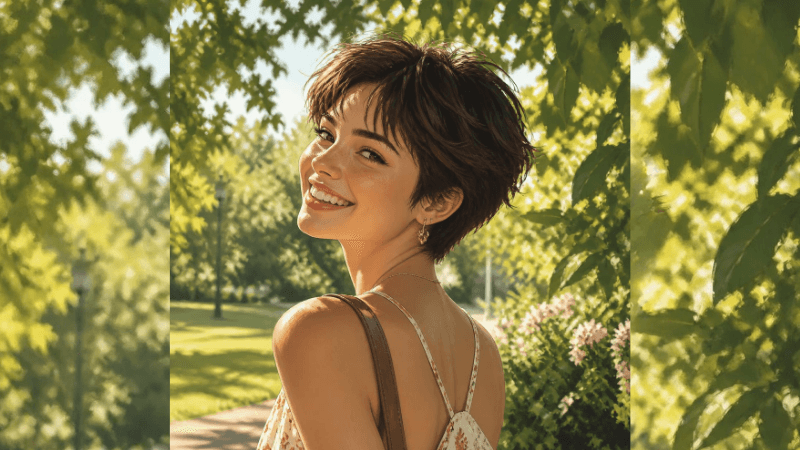
If you like the pixie but feel it's too short and bold, and the classic bob isn't voluminous enough, consider the bixie cut . It's a hybrid: it combines the lightness and volume of the pixie with the length and softness of the bob. That's how the name comes about: boB + pIXIE = bixie. Let's explore the differences between the bixie and the pixie and the bob, who it suits based on hair type and face shape, and what to consider before going to the salon. You can book a women's haircut in Kyiv with any of the salons on Alvibeauty.
What's the difference between a bixie, a pixie, and a bob?
All three haircuts—the pixie, the bob, and the bixie—share a common base: short or medium length and an open face. But the differences in detail are clear enough to distinguish one from the other.
What's the difference between a bixie and a pixie?
The main difference is the length. A pixie is cut short all over, almost like a boyish cut, while a bixie leaves a longer strand, usually reaching the cheekbones or chin. The second criterion is the temples and the back of the head: in a pixie, they are more exposed and noticeable, while in a bixie, the transition is softer due to graduated layers. The third difference is texture: while a pixie is often cut more sleek and neat, a bixie, on the contrary, maintains a light, slightly tousled texture thanks to thinned ends. To summarize the difference between a bixie and a pixie in one sentence, it's a longer, softer, and more textured version of the same idea.
What is the difference between a bixie and a bob?
The bob is the opposite. A bob typically has a denser, more even shape and a defined length—strands don't stick out, and the silhouette looks sleek. A bixie is lighter, airier, and shorter: thanks to its layers and graduation, it has more movement, and the volume is distributed not only along the length but also at the roots and crown. If a bob is a shape, then the difference between a bixie and a bob is primarily in its dynamism: a bixie looks less rigid and requires less effort to stay in place.
To summarize briefly, the difference between a bixie and a pixie is primarily the length and openness of the back of the head, and the difference with a bob is in the volume and slight asymmetry of the strands.
Who suits the bixie haircut?
The bixie's versatility is no exaggeration, but there's still something to consider: how flattering the cut looks depends on your hair type and face shape.
What hair type is bixie suitable for?
If you have fine hair and are tired of feeling like your hairstyle is "losing shape," a bixie is a great option. The layered structure and graduated cut visually add thickness without weighing down the roots. On straight hair, a bixie looks neat and is easy to style in various directions—you can change the parting or slick it back without losing its shape. A bixie is also suitable for curly and wavy hair: the natural curl accentuates the layers and adds volume without the need for a blow-dry.
What face shape suits bixie?
Almost any bixie cut suits an oval face—this shape is considered a universal base and is the easiest to experiment with. A round face is better off with an elongated or asymmetrical cut: longer strands near the face visually elongate the oval shape, and thick, straight bangs should be avoided in this case. A square face should consider a bixie cut with side-swept bangs—they soften sharp features and create a more harmonious look. An elongated or triangular face will benefit from a cut with more volume at the crown and brow-length bangs, which visually balance the facial proportions.
Types of bixies
Within the single "bixie" concept, experts distinguish several variations—it's convenient to keep them in mind when going to a consultation:
- short bixie - open back of the head, pronounced volume on the crown;
- elongated bixie - the length at the face reaches the cheekbones or chin, suitable for those who are growing a pixie;
- asymmetrical bixie - one side is noticeably longer than the other, adding dynamics;
- bixie with bangs - short or long, helps to correct the shape of the face;
- Bixi on curly hair - an emphasis on natural texture without straightening.
The choice of a specific option should be discussed with the stylist during an in-person consultation—they will take into account the thickness of your hair and its natural shape.
Care and styling of bixie
One of the main advantages of bixie is how it grows out. Unlike defined shapes that quickly fade after a couple of weeks, the multi-layered structure of bixie stays neat longer, meaning you don't need to touch it up as often. This is convenient if you travel frequently or simply don't have the time to go to a salon every month.
Daily styling also takes little time: the cut maintains basic volume naturally thanks to the cutting technique, and the finishing touch—a styling product for texture or volume—is applied in just a couple of minutes. For fine hair, lighter texturizing products are typically chosen, while for thick and curly hair, those that enhance natural curls are preferred. Your stylist will help you choose the right product and create a style specifically for your hair type during your consultation before your haircut.
Frequently Asked Questions
What's the difference between a bixie, pixie, and bob?
The pixie is shorter and leaves the back of the head completely exposed, the bob is a tighter, more even cut without layers, and the bixie is in between: longer than the pixie, but lighter and more textured than the bob.
Is Bixie suitable for fine hair?
Yes, this is one of the best options for fine hair: layers and graduation create the effect of thickness without weighing down the roots.
How long does it take for bixie to grow before the next correction?
Layering is what helps the bixie maintain its shape as it grows out: there's no sharp, eye-catching cut line like with straight, geometric haircuts. Therefore, trims aren't as frequent as with more formal cuts.
What's better for a round face: a bixie or a bob?
Both haircuts can suit a round face, but with different accents: an elongated, asymmetrical bixie visually elongates the face, while a bob with longer strands in the front softens and balances the proportions. It's best to discuss the final choice with your stylist, based on your hair texture.
Is it difficult to style bixie every day?
No, this is one of the reasons for the haircut's popularity: the basic shape is maintained by the cutting technique itself, and daily styling only takes a couple of minutes and a light texturizing product.
You can find a professional and book a bixie haircut in Kyiv online. This section page lists salons and professionals with reviews and current prices.