At what age should you go to a cosmetologist – and when it doesn’t matter
The question " when to start seeing a cosmetologist " usually arises in two situations: either something is clearly wrong with your skin, or it's simply time to learn more about cosmetology . There's no universal answer—your passport age and your skin condition almost never match day to day.
There is no exact age, but there are signs when it’s time
No sensible cosmetologist will give you a precise figure. It's not age per se that matters, but what's happening to your skin. During a consultation, they usually look at:
- skin hydration level;
- skin elasticity;
- first wrinkles (if we are talking about mature skin);
- oily shine and inflammation (if we are talking about teenage skin).
There are many more signals than lines in a passport.
Why is the age in the passport not important?
If you've been planning to sign up for "as soon as you have free time" for five years, the age in your passport has been patiently waiting all this time—but your skin, frankly, hasn't. Experts agree on one thing: it's not the number, but the fact that your skin is already signaling its needs. Sebum, a dull complexion, and spider veins—these are the words your skin speaks before you even notice them in the mirror.
Cosmetologist for teenagers: from what age and for what problems
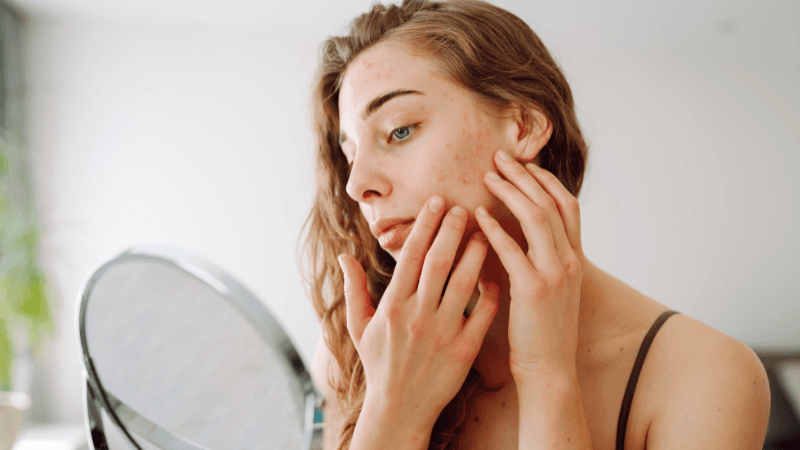
A cosmetologist for teenagers is a topic that's more intimidating than it should be. Most people's skin begins to change between the ages of 13 and 16: hormonal changes trigger increased sebum production, leading to oily shine, blackheads (comedones), acne, and breakouts. This isn't a cause for panic, but a reason for basic home skin care for teenagers and, if needed, light sebum-regulating treatments. The three main skin concerns that most often lead to a cosmetologist at this age are precisely these three: oily shine, comedones, and occasional breakouts.
Is parental consent required for procedures?
Parental consent for any procedure (under 18) is required—this is not a formality, but standard medical practice. Home care and cosmetic selection can be discussed without a companion, but more serious hardware-based skin treatments should only be discussed with a parent in the office.
20–25 years: Preventive cosmetology – at what age should you start?
The age at which preventative cosmetology makes sense is more of a philosophical than a medical question. The age at which preventative treatments can be performed by a cosmetologist is the very moment when there are no obvious problems: collagen and elastin production is normal, and the skin appears smooth. But this is where skin aging prevention differs from treatment: it's not about fixing anything, but about seizing the moment when home care and professional cosmetics can still work on their own, without the need for anti-aging treatments or more active interventions.
After 30–35: When skin requires more than home care
Around 30–35 years of age, home care often becomes insufficient. The first signs of aging—wrinkles and loss of elasticity, uneven skin tone, and age—are a signal that it's time to transition from self-care to a consultation with a cosmetologist. This isn't a disaster, but simply a new stage: what used to be solved with a cream may now require a professional skin diagnosis and a care/treatment plan, rather than random procedures based on indications found online.
After 40–45: How Skincare Changes
After 40–45, hormonal changes occur in the body, which directly affect the skin: tone decreases, and dryness becomes more common. How often you should visit a cosmetologist after 30–40 is a personal decision, but regularity is more important than one-off intensive treatments. A smart approach is to develop a plan with a specialist rather than acting on a whim.
The first visit to the cosmetologist - when and how it happens
The first visit to a cosmetologist—whether it's at 14 or 45—is structured roughly the same. There are no surprises, and certainly nothing painful: first, a consultation with the cosmetologist, then an examination.
What will the cosmetologist ask during the consultation?
The cosmetologist will conduct a skin examination and collect a medical history. Typically, they will ask about:
- complaints and expectations from the visit;
- lifestyle and nutrition;
- current home care;
- possible allergies and reactions to cosmetics.
The specialist decides which procedure to begin with during the first visit to the cosmetologist, based on the consultation, not the other way around. Most often, this involves a simple diagnosis and gentle, non-invasive recommendations—no one begins their acquaintance with serious injection techniques.
If your recommendations include a facial, we've already covered the types and features of this procedure separately and won't repeat them here. Specific hardware skin treatments and other techniques are a separate, larger topic, which we've covered in detail in our review of types of cosmetic procedures. And if the question isn't "when," but "who?" there's a ready-made answer for that, too: we've covered how to distinguish a good cosmetologist from an unsuitable one separately.
Frequently Asked Questions
Is it possible to go to a cosmetologist at 14 years old?
Yes, if there's a reason for it—acne, inflammation, or simply a question about basic care. The only requirement is parental consent for the procedures, not just the consultation.
At what age can you go to a cosmetologist?
Spoiler: sooner than you think and later than the internet scares you. There are almost no formal restrictions from below—the question is what problems and what to do, and that's decided during a consultation, not by an age chart from a random article.
What procedures should a cosmetologist do at age 20?
At this age, light, superficial techniques and well-chosen home care and professional cosmetics are sufficient—deep interventions at 20 are often simply not necessary.