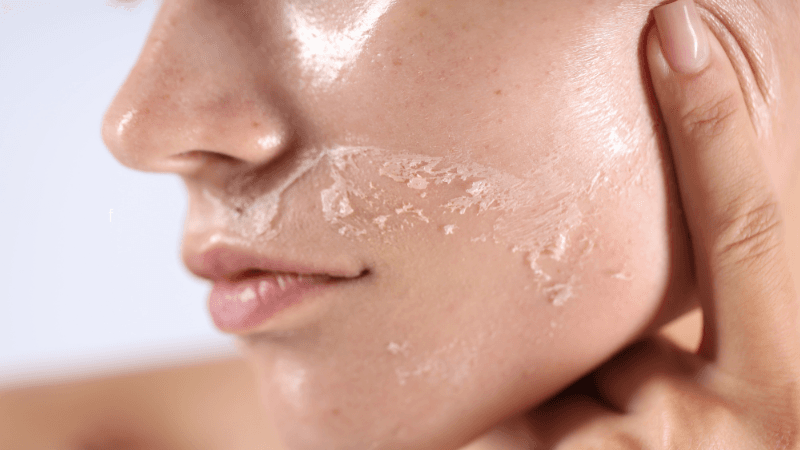
Dehydrated Oily Skin: Understanding and What to Do
My forehead and nose start to shine during the day, but after washing my face, my cheeks feel tight. It seems counterintuitive: skin is either oily or dry. In practice, these sensations can be combined. Dehydrated oily skin continues to produce sebum, but it also retains moisture less effectively in the stratum corneum. If you're having trouble distinguishing between your skin type and your skincare needs, you can find a specialist in the cosmetology section in Kremenchuk .
Can oily skin be dehydrated?
Yes. Oiliness and the amount of water in the stratum corneum describe different characteristics of the skin. Sebum creates a lipid film on the surface, but by itself doesn't mean the skin is sufficiently hydrated. Therefore, the question of whether oily skin can be dehydrated is entirely logical.
Oily skin may experience a persistent shine in the T-zone, and after cleansing, tightness, roughness, or localized flaking may appear. This isn't a reason to automatically change your skin type from "oily" to "dry." It's best to first consider when the discomfort began and what your skincare routine was like beforehand.
How to tell if your skin is dehydrated: key signs
A single symptom isn't enough to diagnose yourself. It's better to look at several changes simultaneously and compare them to your normal skin condition. The question of how to tell if your skin is dehydrated is especially relevant if the oily shine remains but the feeling of comfort has disappeared.
Signs of dehydration may include:
- tightness after cleansing, although after a few hours the T-zone shines again;
- localized roughness or fine flaking;
- dull skin appearance and more noticeable uneven texture;
- familiar acids or other active agents suddenly become worse tolerated;
- The moisturizer relieves the discomfort for a short time, but the feeling of dryness quickly returns.
These are guidelines, not a home medical test. Severe itching, soreness, severe redness, cracking, or rash require a different evaluation and may not be related to simple dehydration.
Dry or dehydrated skin: how to tell the difference
Dry skin is a skin type. It typically produces less sebum and therefore often requires more lipid-rich skincare. Dehydration is a condition that can occur in different skin types.
Therefore, having both oily and dry skin doesn't necessarily mean your skin type has suddenly changed. If your face continues to get shiny, but the tightness has only recently appeared, consider whether your cleansing routine, the frequency of using acids or retinoids, or other skincare steps have changed.
This is more helpful than trying to determine the condition based on a single "pinch test" or how quickly the cream is absorbed.
Why does oily skin become dehydrated?
A common situation is the desire to eliminate shine at any cost. People choose a stronger gel, wash their face until it feels squeaky clean, add a mattifying toner, and use acids more often. As a result, the unpleasant tightness can worsen.
Dry air, sun exposure, and the combination of several active ingredients also affect the skin barrier. There's no single culprit. It's more helpful to look for changes that coincide with the onset of discomfort.
It's especially important not to attribute any oiliness to dehydration. If your skin has always been shiny, it could be a characteristic of your skin type. The goal of skincare in this situation is to restore comfort and support the skin barrier, not to promise to completely stop sebum production.
My face is shiny, but feels tight after washing: what to check first
Start with cleansing. If you're tempted to apply cream immediately after using a gel, and this hasn't happened before, consider the product, water temperature, and frequency of cleansing. More aggressive cleansing won't necessarily make oily skin more comfortable.
Then, consider your active ingredients. If you're using acids, retinoids, and other products that can irritate your skin, the appearance of tightness is a reason to reconsider the frequency and combination of products.
Afterwards, evaluate your hydration. Oily skin also needs a cream or emulsion, but the texture should be comfortable. There's no need to switch to a heavy, nourishing cream just because you're feeling dry.
What to do if oily skin is dehydrated
If you're looking for solutions for oily, dehydrated skin , don't overhaul your entire makeup shelf. Start with the basics and see how your skin changes.
1. Use gentle cleansing without leaving a lingering feeling of tightness after washing.
2. Maintain clear hydration. Formulas may contain glycerin, hyaluronic acid, and other moisturizing ingredients.
3. Add a cream, fluid, or emulsion of a suitable texture. Ceramides and other lipid components can support the skin barrier.
4. Do not increase the frequency of acids and peels just because of peeling.
5. Use appropriate sun protection during the day, especially if your skincare routine contains products that increase your skin's sensitivity to the sun.
The point of this regimen isn't to find one "magic" jar. First, we remove the obvious sources of discomfort, then leave a base that your skin tolerates well.
How to tell if your dehydrated skin care is working
It's better to focus on sensations and progress rather than promises of results in a certain number of days. A good sign is that after cleansing, you no longer feel the urge to immediately resort to cream. Roughness gradually decreases, flaking occurs less frequently, and basic products don't cause a burning sensation.
Oily shine may not disappear completely. This is normal: our goal is not to change your skin type, but to reduce signs of dehydration and make skincare comfortable.
If the condition does not improve, or if severe irritation, itching, soreness, or rash occurs, it is best not to continue experimenting on your own.
Frequently Asked Questions About Oily, Dehydrated Skin
Why does oily skin peel and feel tight after washing?
If this sensation has recently developed, consider any changes in your skincare routine. A new cleanser, more frequent use of acids, or multiple active products at once can coincide with the onset of dryness and discomfort. If flaking persists, intensifies, or is accompanied by itching, pain, or noticeable redness, don't automatically attribute it to dehydration.
How do you know if your dehydrated skin care is working?
Don't look for one "main" symptom. Focus on your everyday sensations: after cleansing, your skin no longer feels like it's rushing to apply cream, rough patches become less noticeable, and products that previously caused discomfort are tolerated more easily. Oily shine may persist, however, because the goal of this type of care is to restore skin comfort, not change its type.
What is the difference between dry skin and dehydrated skin?
Dryness often describes skin types with less sebum. Dehydration is a current condition that can also occur in oily skin types.
Which cream should I choose for oily, dehydrated skin?
Look for a comfortable texture and tolerability. Lightweight creams, fluids, and emulsions with moisturizing and barrier components are often convenient.
Can acids and peels be used if you are dehydrated?
If your skin is already tight, flaky, or irritated, there's no need to increase the frequency of acids and peels. It's best to gradually reintroduce active ingredients once your basic skincare routine is comfortable again.
How do you know if your dehydrated skin care is working?
Pay attention to how your skin behaves in everyday life: after washing, you don't immediately want to reach for cream, dry patches bother you less often, and your usual basic products can be applied again without burning or discomfort.