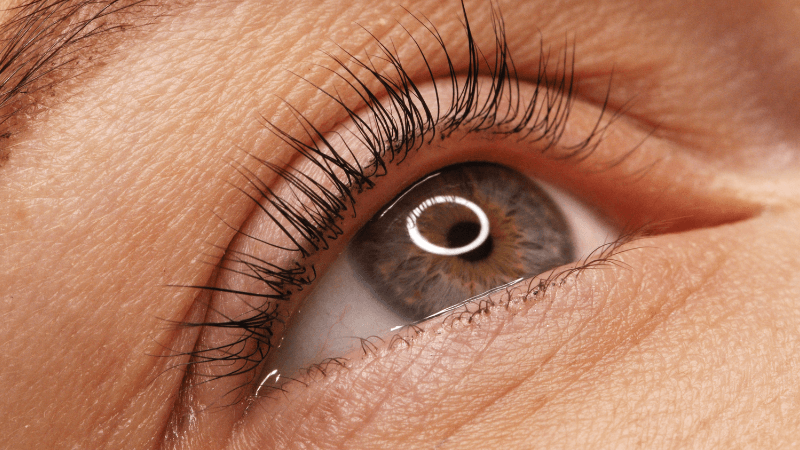
Is eyelash lamination suitable for light and thin eyelashes?
Thin, soft, or light-colored eyelashes often look less expressive, even with proper care. Makeup helps, but you don't always want to depend on mascara, especially in the fast-paced modern city. So, the logical question arises: is eyelash lamination suitable for naturally thin or weakened eyelashes? Many fear that chemical treatments can damage the delicate structure, but modern cosmetology offers solutions aimed not only at aesthetics but also at profound healing.
If you're considering a procedure in Kyiv, you can browse trusted studios and evaluate the quality of their technicians here: https://alvibeauty.com/ru-ua/salons/kyiv/eyelashes/lamination . It's important to understand: lamination is not extensions. It doesn't add artificial lashes, but rather enhances your natural lashes. The procedure creates a delicate curl, lifting them from the root, creating an open and fresh look.
In what cases is the procedure really relevant:
- if your light eyelashes are almost invisible at the tips;
- if the hairs are thin, but still retain their natural elasticity;
- if the eyelashes are not curled or the hairs grow straight, making the eyes appear smaller.
In these scenarios, lamination of light-colored eyelashes can provide a neat, natural, yet very noticeable effect that lasts for a long time.
Why light and thin eyelashes require a special approach
Working with delicate hair is always a challenge for a professional. Each individual's hair structure is unique, and it determines how the formula interacts with the keratin base.
The main factor determining color is melanin. When it's low, the hairs appear translucent, especially at the ends, where the shaft is thinnest. These clients may have higher porosity, meaning products penetrate more quickly. If the stylist ignores this, dryness or even breakage may occur.
It's also important to consider the eyelash growth cycle. Some people's lashes grow rapidly, and the lamination effect begins to fade after just three weeks. The expert should understand how the keratin structure will maintain curl depending on the hair's life stage.
Is it possible to combine lamination and coloring?
Eyelash lamination for fine, light-colored hairs is often complemented by tinting. It's the right pigment that creates the desired visual magic. Tinting the eyelashes during the procedure isn't just about adding color; it's about filling in the gaps in the structure.
This creates rich color and deepens the look, even without a drop of makeup. For fair-haired girls, this is the only way to see their true length, as faded ends finally become visible.
What is the difference between thin and weak eyelashes?
These concepts are often confused, but for a lash technician, the difference is crucial. Thin eyelashes are a genetic trait, a normal condition for thin lashes. Weak eyelashes, however, are a result of external factors: stress, vitamin deficiency, or unsuccessful extension removal.
Weak eyelashes tolerate lamination well with proper technique and a tailored formula. In this case, the procedure can be therapeutic, providing essential nourishment to the lashes. The key here lies not so much in the procedure itself, but in the professionalism of the technician and the quality of the products used.
Potential risks of thin and weakened eyelashes
Despite the security of modern protocols, there are certain risks when working with a corrupted database:
- Thinning: If you use products that are too strong, the hair may become even thinner.
- Incorrect exposure of the composition: an extra minute on thin eyelashes can lead to a chemical burn of the hair.
- Aggressive protocol: ignoring protective steps deprives eyelashes of moisture.
To avoid these problems, individual selection of exposure time and mandatory preliminary diagnosis of the hair condition are necessary.
When is it better to postpone the procedure?
There are direct contraindications for which eyelash lamination for thin lashes can be harmful. Understanding when it's best to avoid the procedure will help maintain the health of your eyes:
- Active phase of hair loss.
- Severe inflammation or infection of the eyes.
- The rehabilitation period after surgery.
- Hormonal imbalance, which can lead to unpredictable results.
In such situations, it is wiser to first restore the eyelashes and only then create beauty.
How to choose a specialist for thin eyelashes
Finding a professional is 90% of success. If you're wondering how to choose a lash artist for thin eyelashes, consider the following criteria:
- Soft composition: find out which brands the studio works with;
- Experience: the master must confidently answer questions about porosity and structure;
- Reviews: look at photos of work with a similar type of eyelashes;
- Sterility: instruments must be completely disinfected.
A good technician will always emphasize the post-lamination care you'll need to ensure the results last as long as possible.
Frequently Asked Questions
Is it possible to do lamination on very thin eyelashes?
Many people doubt whether lamination is worth it if their eyelashes are thin. The answer is yes. The procedure will thicken the tips and create a root lift, making the lashes appear thicker. The key is to use gentle keratin-based products.
Is the effect visible on light eyelashes without tinting?
Clients sometimes ask why the effect is less pronounced on light-colored lashes without tint. Without pigment, you'll get great curl and shine, but the length will remain "hidden." For a wow effect, combining tint with lash extensions is recommended.
Does keratin weigh down thin eyelashes?
This is a myth. Modern keratin for eyelashes works delicately. It integrates into the structure, providing visual lengthening and increasing density, but without creating excess weight that could lead to loss.
Is it possible to do lamination after extensions?
People often ask if lamination is possible after unsuccessful eyelash extensions. Yes, it's a great way to restore life to your lashes. However, if the damage is severe, your lash technician may recommend using strengthening serums for a couple of weeks first.
How do you know if your eyelashes are too weak?
If you're looking for an answer to the question of how to tell if your eyelashes are too weak, pay attention to their elasticity. If the hairs break off at the slightest touch or fall out in clumps, this is a sign that you should postpone the procedure and seek treatment.
How often can the procedure be repeated?
The average lasting effect on light-colored lashes is 4–6 weeks. If you want to know how long the effect lasts on light-colored lashes, consider your individual renewal cycle. It's recommended to repeat the procedure no more than once every six weeks.
Conclusion
Is it possible to do eyelash lamination on thin eyelashes? Definitely yes. This procedure can give you a more expressive look and confidence without the need for daily makeup. Remember, the secret to a perfect result lies in balance: choosing a qualified technician, using high-quality materials, and careful home care.