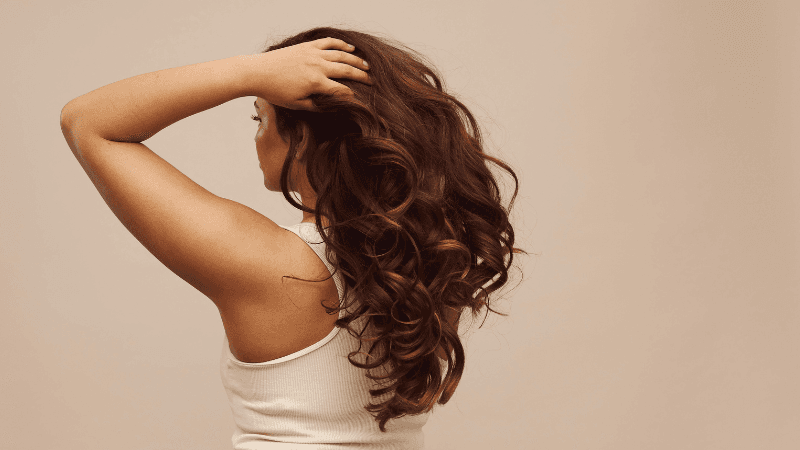
Cascade haircut: who it suits and how long it holds its shape
The cascade has long been one of those haircuts that has remained fashionable for decades—and continues to evolve with trends. However, its universal appeal isn't entirely fair: who suits a cascade cut and who will find it a hassle is a question worth considering honestly before going to the salon, not after a disappointing result. Too often, this cut promises lightness and volume "for everyone," although in practice, the result depends heavily on the original hair structure. You can compare hairstylists and schedule an appointment at https://alvibeauty.com/ru-ua/salons/kyiv/hairdressers/womenHaircuts .
What is a cascade haircut and why has it remained trendy for decades?
A cascade is a technique in which hair is cut in layers of varying lengths: the top strands are shorter, the bottom strands are longer, and the transitions between them are smooth. It is the layers and thinning that create the effect of lightness and volume for which the cascade has been prized for over half a century.
The cascade haircut for women remains popular for a simple reason: it works on almost any hair length and doesn't require a radical change of style. Just choose the right shape for your hair type and face shape once, and the cut will look neat even without complicated daily styling.
Who is the cascade suitable for?
A cascade is not a universal solution, but it has clear strengths if you correctly evaluate the initial data: hair type and face shape.
By hair type
- Fine hair - a cascade on fine hair visually adds volume where it is naturally lacking: the multi-layered look creates the illusion of thickness without weighing it down.
- Thick hair - a cascade removes excess weight and makes strands lighter and more manageable, especially in the warmer months.
- Wavy hair - a cascade on wavy hair highlights the natural curl, styling takes minimal time
- Straight hair without a pronounced curl is also suitable, but will require a little more attention to styling to prevent the layers from looking flat.
By face shape
- Oval face - almost any cascade option is suitable without restrictions
- Round face - elongated strands near the face visually lengthen the silhouette
- Square face - Soft layers soften the strong jawline
- Elongated face - lateral volume helps to visually balance the proportions.
Types of cascade
Several techniques are hidden under one name, and the choice of a specific option greatly influences the final result.
Classic, torn, graduated
The classic cascade features smooth, almost imperceptible transitions between layers without harsh lines; it remains the most versatile option and looks good with any style. The choppy cascade, on the other hand, is built on pronounced asymmetry in length and subtle thinning at the ends—it looks bolder, adds a touch of casualness to the look, and is suitable for those who aren't afraid of texture. The graduated cascade holds its shape longer than others due to its more defined contours, but requires regular trimming at the ends to maintain the definition. The Italian cascade is distinguished by denser thinning and soft transitions—it works especially well on wavy and slightly curly hair, where the sharp geometry of other styles would look less natural.
Hybrids: bob-cascade and bob-cascade
A separate category is the combination of a cascade with other haircuts. A cascade bob combines a short bob with cascaded layers on top, creating additional volume without losing the defined geometry. A cascade bob works in a similar way, but maintains the more defined contour of a bob underneath—a compromise between the classic look and the dynamic appeal of a cascade.
Who might not be suitable for a cascade?
An honest discussion about a haircut can't be without its limitations. A layered cut may not be the best choice for very fine and thin hair—thinning in this case can visually thin the strands even more instead of adding the desired volume, and instead of adding thickness, you risk getting the opposite effect. You should also approach a layered cut with caution on very thick, perfectly straight hair: the transitions between layers can be lost, and the desired volume at the roots will require daily blow-drying and styling—without this, the cut will look more ordinary than layered.
A layered style isn't always suitable for curly hair either—the shape of the curls can completely hide the layers, and the result will differ from what you'd expect from photos on social media. In this case, it's best to discuss with your stylist how the curl will look after drying, rather than relying solely on a reference photo of straight hair.
How long does it hold its shape and how often should it be adjusted?
The length of time the cascade maintains a neat appearance directly depends on the length and growth rate of the hair.
Short cascade
Short hair requires more frequent maintenance—usually every six to eight weeks. The ends of short hair grow more noticeably, and without timely maintenance, the layers quickly lose their volume and definition.
Medium and long cascade
On medium and long hair, the cascade holds its shape significantly longer—three to five months without necessary touch-ups. Growing ends don't disrupt the overall look as much thanks to the multi-layered cut.
Maintaining a cascade haircut between salon visits is simple: regularly moisturizing the ends, applying heat protection before blow-drying, and gentle combing help maintain the definition of layers and natural shine for longer.
Where to get a cascade haircut in Kyiv
Choosing the right layered style is easier with a professional who will consider your hair type, face shape, and desired length. On the Alvibeauty platform, you can compare salons and professionals who offer women's haircuts in Kyiv and book a convenient time online—no calls or waiting on hold.
Frequently Asked Questions
What is the difference between a cascade and a ladder?
Essentially, it's the same layered haircut technique under different names. "Ladder" is a more colloquial term for the same graduated strands as in the classic cascade.
How long does a short cascade hold its shape?
A short cascade usually requires correction every one and a half to two months - the ends of short hair grow out more noticeably and quickly disrupt the desired shape.
Is a cascade suitable for curly or very fine hair?
For fine hair, a layered style often works well, adding visual volume without weighing it down. Curly hair is more challenging: the curl can completely obscure the layers, so the decision should be made with your stylist after assessing your hair structure and how your curls behave after drying.
Who is better off not doing a cascade?
Those with very fine and sparse hair should be careful with a cascade, as thinning can sometimes enhance the effect of thinning rather than volume. Also, a cascade doesn't always work on very thick, perfectly straight hair without additional styling.
Is it possible to do a cascade on very thick and heavy hair?
Yes, but it's worth discussing the degree of thinning with your stylist: for thick hair, a cascade is often done with more active thinning to remove excess weight and make the strands easier to style.